Protein Rich Meals: How Much You Need and Practical Options
By:Author:Herletics Editorial
Updated on:October 28, 2026

- How Much Protein Do You Actually Need Daily
- Protein-Forward Plates Versus Carb-Heavy Options
- Why Simple Protein Swaps Beat Strict Meal Counting
- Who Needs More Protein and Who Can Ease Off
- Making High-Protein Meals Work in a Full Week
- The Myth That Protein Alone Melts Fat Away
- Building Protein-Forward Eating Into Your Daily Routine
- Keeping High-Protein Meals Simple Going Forward
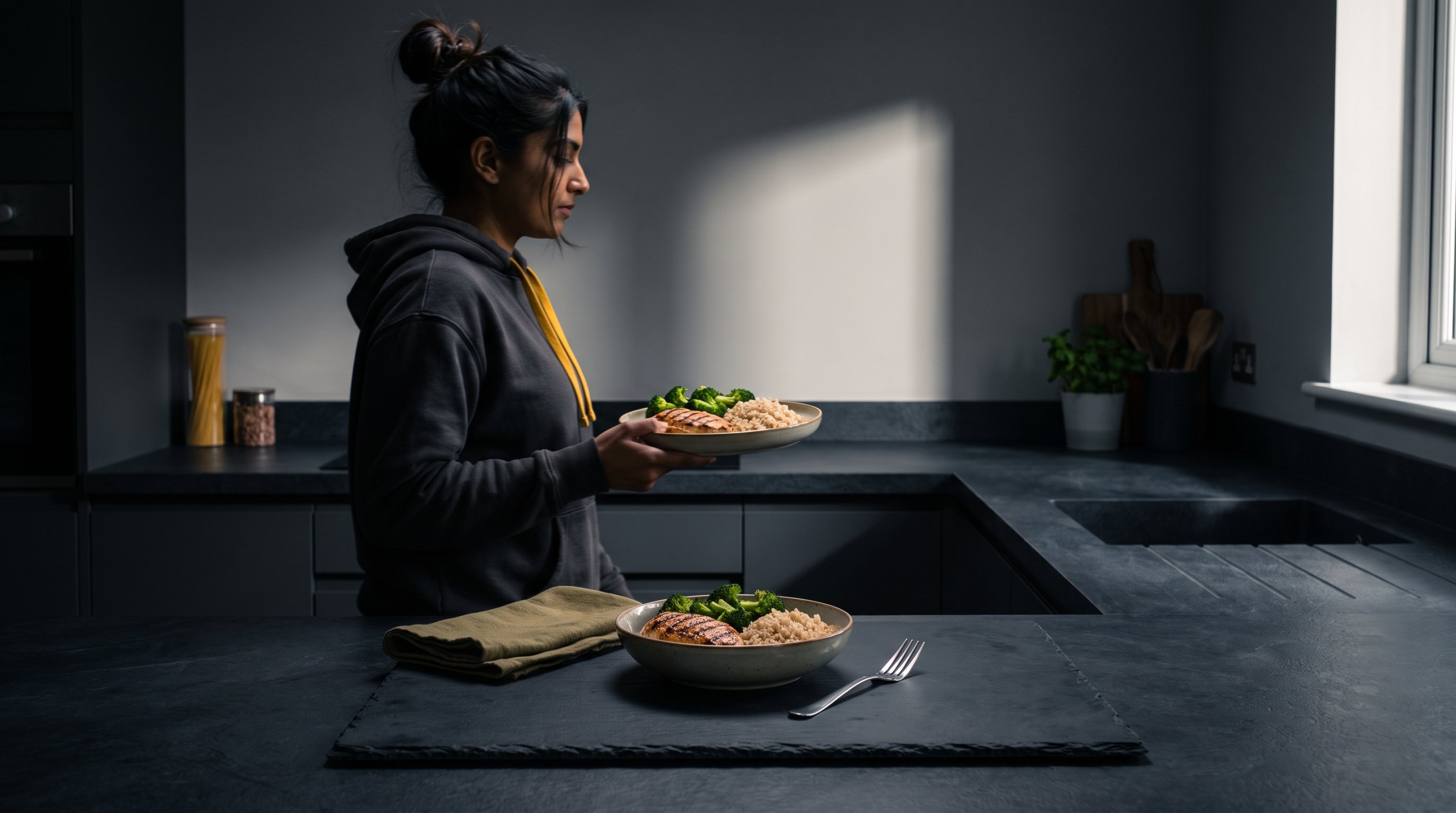
High-protein meals usually mean somewhere between 20 and 40 grams of protein per plate, depending on your body weight and activity level. That range covers most eggs-and-oats breakfasts, chicken-and-rice lunches, and lentil-and-veg dinners you already recognise as solid food.
Protein works by giving your body the building blocks to repair muscle tissue and stay full between meals. Eat too little of it and you end up hungrier sooner, even if your total calories look fine on paper.
This guide covers how much protein actually matters, what a realistic day of meals looks like, how it stacks up against a lower-protein approach, and how to fit it into a week that's already full.
How Much Protein Do You Actually Need Daily
The arithmetic is simpler than most food labels make it look. A rough target many people use is somewhere around 1.2 to 1.6 grams of protein per kilogram of body weight, spread across the day rather than loaded into one meal.
For someone weighing 65kg, that's roughly 78 to 104 grams of protein a day. Split across three meals and a snack, that lands around 20 to 30 grams per sitting, which is exactly the range most chicken breasts, protein yoghurts, or bean-based dishes already sit in.
Why Spreading It Out Matters
Eating all your protein at dinner leaves breakfast and lunch doing none of the work. Spreading it across the day means your body has a steady supply to draw on, rather than one large delivery it can't fully use at once.
None of this requires weighing every gram forever. A rough mental check - does this meal have an obvious protein source on the plate - gets you most of the way there.
Protein-Forward Plates Versus Carb-Heavy Options
The real decision most people are weighing isn't protein versus no protein - it's a protein-forward plate versus a carb-heavy plate with protein as an afterthought. Both can fit the same calories, but they behave differently once you're a few hours past eating.

| Factor | Protein-Forward Plate | Carb-Heavy Plate |
|---|---|---|
| Fullness between meals | Lasts longer | Fades faster |
| Muscle repair support | Direct building blocks | Minimal contribution |
| Meal prep simplicity | One main item | Often several sides |
| Variety available | Meat, fish, eggs, beans | Bread, rice, pasta |
| Energy stability | Steadier release | Quicker peaks and dips |
Neither option is forbidden - most good meals include both. The difference is which one anchors the plate.
Why Simple Protein Swaps Beat Strict Meal Counting
Counting every gram of protein for months on end is hard to keep up, and most people quietly stop doing it by week three. Swapping in a protein source at each meal - eggs instead of toast alone, chicken instead of extra pasta - is a habit you can keep without a calculator.
The adherence argument is straightforward: a meal pattern you actually repeat beats a perfect meal plan you abandon after two weeks. Simple swaps survive busy mornings, late shifts, and the days you genuinely cannot be bothered to cook from scratch.
This is the same reason easier workout routines tend to outlast harder ones - consistency beats intensity, and the same logic applies to what's on your plate.
Who Needs More Protein and Who Can Ease Off
If You're New to Tracking Protein
Start by noticing whether your current meals have an obvious protein source at all, rather than aiming for an exact number. Adding one egg, one handful of beans, or one extra portion of chicken to meals that currently lack protein is enough of a first step.
If You're Short on Time
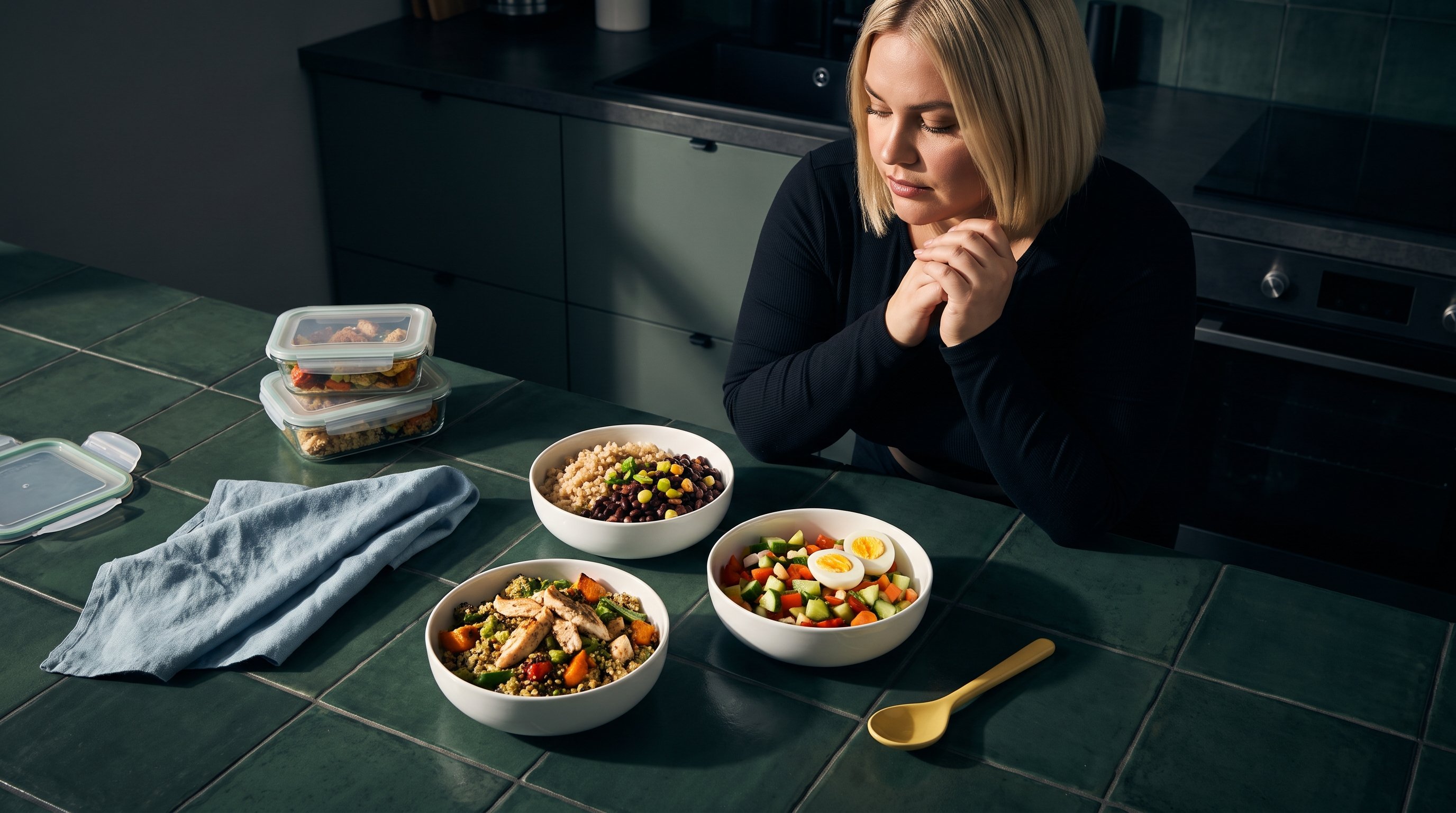
Batch-cooked proteins like a tray of roasted chicken thighs or a pot of lentils can be portioned across several meals in one go. This removes the decision-making from busy weekday evenings, when cooking from scratch is least likely to happen.

If You're Training Regularly
Higher activity levels usually mean sitting toward the top of the 1.2 to 1.6 gram range rather than the bottom, since muscle repair demand goes up with more sessions. Pairing a protein source with each post-workout meal helps that repair process along.
If You're Managing a Smaller Appetite
Choosing denser protein sources - eggs, Greek yoghurt, fish - over large volumes of lower-protein food makes it easier to hit your number without needing to eat huge portions. Smaller, nutrient-dense meals spread across the day often work better here than three large ones.
Making High-Protein Meals Work in a Full Week
A full diary doesn't leave much room for elaborate recipes, which is exactly why the simplest protein meals tend to win out. A grilled chicken salad, a tin of beans stirred through rice, or eggs on toast all take under fifteen minutes and still hit a reasonable protein number.
Having a customized meal plan built around food you already like removes the guesswork of what to cook on a Tuesday night when you're tired. Herletics includes a meal plan with easy-to-follow recipes, so protein-forward meals are already mapped out rather than something you have to figure out from scratch each week.
Pairing that with simple tools to track water, weight, or steps in one place means nutrition isn't the only thing you're trying to remember - the rest of the day's habits sit alongside it.
The Myth That Protein Alone Melts Fat Away
High-protein meals do not melt fat away on their own, and no food targets fat in one area of the body over another. The body doesn't work that way - fat loss happens across the whole body gradually, driven by overall calories and habits, not by any single ingredient.
What protein actually does is support fullness and muscle repair, which makes it easier to stick with a sensible eating pattern over time. That's a real, useful effect - it's just not the overnight transformation some headlines promise.
The honest answer is less exciting but more useful: protein is one piece of a wider pattern, not a shortcut around it.
Building Protein-Forward Eating Into Your Daily Routine
Once protein-forward eating feels normal rather than effortful, the next step is building it into a routine you don't have to think about each day. Herletics brings meal plans, progress trackers, and nutrition guides into one place, so nutrient-dense meals sit alongside your workouts and water tracking instead of being one more separate thing to manage.
The app's metabolism-boosting tools and food choice tips are built to work alongside the meal plan, helping you keep protein-forward habits going without needing to plan every meal from a blank page.

Get Your Training Plan
Train Like a Warrior
Keeping High-Protein Meals Simple Going Forward
The simplest next step is picking one meal today and adding an obvious protein source to it - an egg, a handful of beans, a portion of chicken or fish. That one change, repeated daily, does more than any perfect meal plan you only follow for a week.
Meal planning tools can take care of the logistics with ready-made recipes and tracking options, leaving you to focus on showing up at the plate each day rather than figuring out the details from scratch.
FAQ
Aim for roughly 20 to 30 grams at each main meal, which usually looks like a palm-sized portion of chicken, fish, eggs, or beans. Spreading that across three meals a day covers most people's needs without any precise weighing.
Protein-forward meals aren't about cutting out other foods - they're about making sure protein has a visible place on the plate alongside carbs and vegetables. Nothing about this approach requires eliminating a food group.
Batch-cooking a tray of chicken, a pot of lentils, or hard-boiled eggs at the start of the week removes most of the daily decision-making. Herletics' meal plan also offers easy-to-follow recipes designed to fit busy schedules rather than long cooking sessions.
Most people drop off when meals feel like a chore to plan or when variety runs out. Rotating a handful of simple go-to meals, rather than chasing a new recipe every night, tends to keep the habit going longer.
Share this post