Foods for Fat Loss: Practical Swaps for Sustainable Results
By:Author:Herletics Editorial
Updated on:October 28, 2026
- What a Fat-Loss-Friendly Day of Eating Looks Like
- How Much Protein, Fibre and Veg You Actually Need
- Why Food Swaps Beat Strict Diet Rules
- Fitting Fat-Loss Food Choices Into a Real Week
- Who Benefits Most From Adjusting Their Food Choices
- When Food-Based Fat Loss Changes Actually Show Up
- Pairing Foods for Fat Loss With a Structured Meal Plan
- Making Fat-Loss Food Swaps a Lasting Habit
Foods for fat loss aren't a secret list - they're mostly swaps: more protein and fibre, fewer liquid calories, portions that match how active you actually are.
Fat loss happens when you eat less energy than your body uses over time, and some foods make that gap easier to hold without constant hunger. Protein and fibre fill you up for fewer calories, while refined carbs and liquid sugar tend to leave you reaching for more an hour later.
This guide walks through a sample day of eating, how much of each food group actually matters, why simple swaps beat strict diets, and how to fit all of it into a week that's already busy.
What a Fat-Loss-Friendly Day of Eating Looks Like
Nobody needs a perfect day to make progress, but seeing one laid out makes the idea less abstract.
A Sample Day Built Around Fat-Loss-Friendly Food
- Breakfast - eggs with vegetables and wholegrain toast, or yoghurt with fruit and oats
- Lunch - a protein source like chicken, fish or beans with a large portion of vegetables and a smaller portion of rice or potatoes
- Afternoon snack - fruit with nuts or a handful of seeds, something with chew rather than something you sip
- Dinner - lean protein, a mix of cooked vegetables, and a modest carb portion depending on activity that day
- Drinks - mostly water, tea or black coffee, with sugary drinks kept occasional rather than daily
Nothing here is off-limits forever, and the structure matters more than hitting it exactly right every day.
How Much Protein, Fibre and Veg You Actually Need
Rough Daily Targets Worth Aiming For
Exact numbers vary by person, but there are useful ranges to aim for rather than guess at.
| Food Group | Rough Amount | Why It Helps |
|---|---|---|
| Protein | A palm-sized portion per meal | Keeps you fuller for longer |
| Vegetables | At least two fist-sized portions daily | Adds fibre and volume for few calories |
| Whole grains | A cupped-hand portion per meal | Steadier energy than refined carbs |
| Added sugar drinks | Kept to occasional, not daily | Easy calories that don't fill you up |
| Water | Spread through the day | Often mistaken for hunger when it's thirst |
These are starting points, not rules, and they're meant to be adjusted around how hungry and active you actually feel.
Why Food Swaps Beat Strict Diet Rules
Compare two approaches: cutting out entire food groups versus swapping a few regular choices for more filling versions of the same meal.
Strict elimination diets work until they don't - the moment life gets busy or stressful, a list of forbidden foods becomes a list of things you crave more.
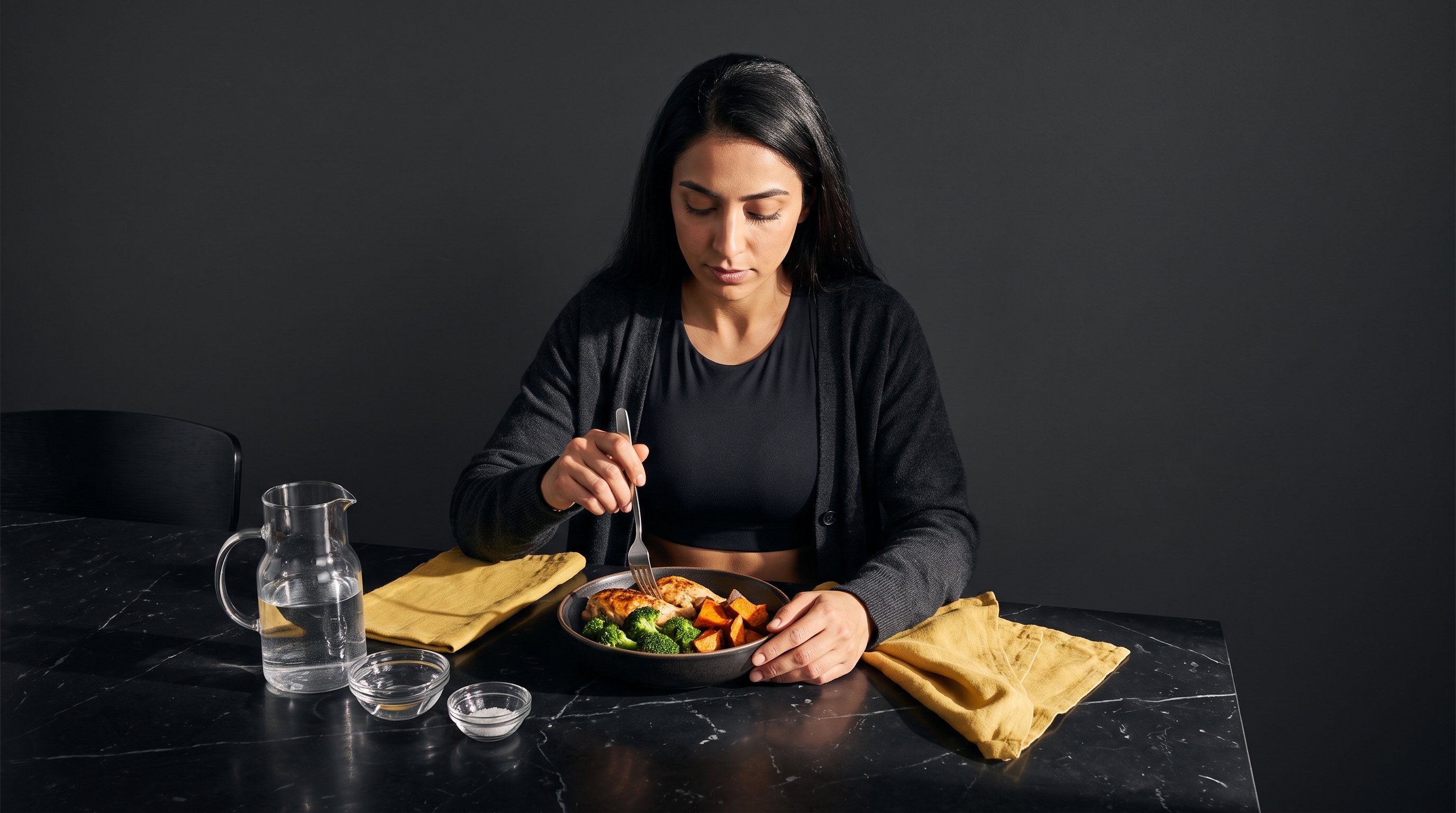
Swapping white bread for wholegrain, soda for sparkling water, or a sauce-heavy dish for a protein-and-veg version keeps the meal familiar while quietly changing the numbers.
That's why swaps tend to last longer than rules - you're not fighting the habit, you're adjusting it.
Fitting Fat-Loss Food Choices Into a Real Week
Most weeks include a late night at work, a takeaway with friends and at least one day where cooking feels impossible.
The food choices that actually stick are the ones that survive those days - a frozen bag of vegetables, a tin of beans, a rotisserie chicken from the shop on the way home.
Herletics builds a meal plan around food people already like, using recipes meant to fit a normal week rather than demand a full kitchen overhaul.
Pairing that with simple tracking of water, steps and weight in one place makes it easier to see which small swaps are actually moving the needle.
Who Benefits Most From Adjusting Their Food Choices
The Complete Beginner
If nothing about your diet has changed in years, the biggest wins come from the simplest swaps - more protein at breakfast, vegetables added to lunch, water instead of sugary drinks.
The Busy Professional
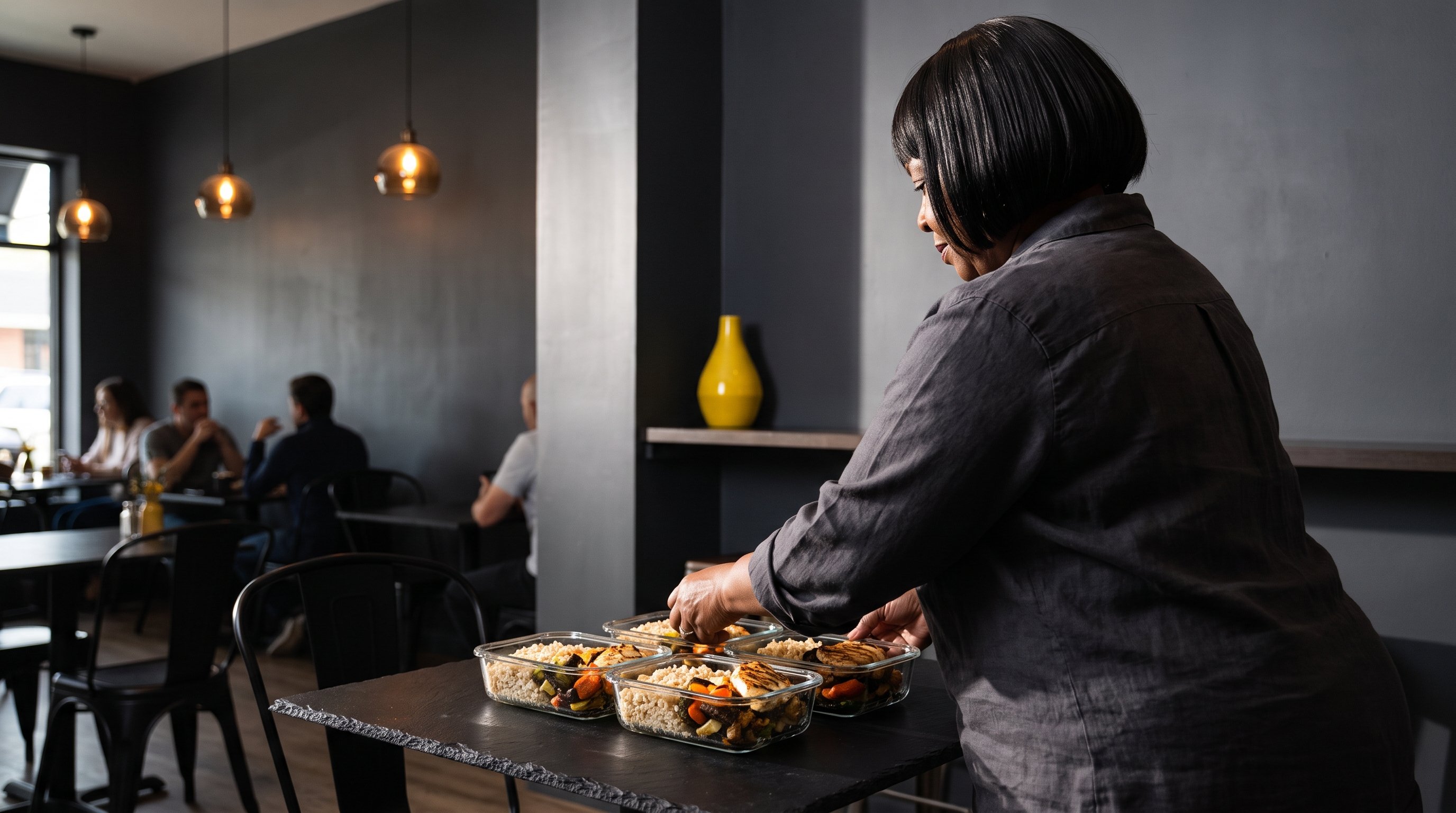
Batch-cooked proteins and pre-chopped vegetables remove the decision-making at the exact moment willpower is lowest, which is usually dinner after a long day.
The Older Adult
Protein needs don't shrink with age even if appetite does, so smaller, more frequent protein-forward meals can work better than three large ones.
The Regular Exerciser
Training adds a layer of hunger that food choices need to account for, so slightly larger carb portions around workouts make sense rather than cutting everything equally.
When Food-Based Fat Loss Changes Actually Show Up
Nobody can promise a date on the calendar, and anyone who does is guessing.
What's more useful is knowing where people tend to give up - usually somewhere around the second or third week, right when the new swaps stop feeling new and start feeling like effort again.
That dip is normal, not a sign the approach has failed - it usually means the routine needs to get a bit more boring and automatic, not more intense.
Sticking with the same handful of swaps for a few more weeks, rather than searching for a new plan, tends to be what gets people through that stretch.
Pairing Foods for Fat Loss With a Structured Meal Plan
Food choices do most of the work, but movement and structure help the whole thing stick - which is where Herletics fits in.
Herletics pairs a customized meal plan with over 1000 recipes, a progressive Military Calisthenics Workout Plan, and trackers for steps, water, weight and fasting, so food changes aren't happening in isolation.
Metabolism-boosting tips and nutrition guides written by nutrition experts sit alongside motivating challenges, giving the daily food swaps something to connect to rather than leaving them as a standalone list.
Get Your Training Plan
Train Like a Warrior
Making Fat-Loss Food Swaps a Lasting Habit
Pick one swap from this guide - more protein at breakfast, water instead of a sugary drink, vegetables added to lunch - and repeat it for a few weeks before adding another.
A structured meal plan can hold that structure for you, keeping the meal plan, tracking and workouts in one place so the next swap feels like a small step rather than a new diet.
FAQ
No single food burns fat, but protein, fibre-rich vegetables and whole grains help you feel full for fewer calories, which makes an energy gap easier to hold. The bigger driver is the overall pattern of eating, not any one ingredient.
No - cutting entire food groups tends to backfire because it makes those foods harder to resist later. Adjusting portions and choosing less refined versions usually works better than full elimination.
Batch-cooked proteins, frozen vegetables and simple tinned staples can cover most of a week with very little daily effort. A meal planning app like Herletics has recipes built with busy schedules in mind, so the plan doesn't assume hours in the kitchen.
Usually it's not that the food stopped working - it's that the new habits stopped feeling automatic and effort crept back in. Sticking with the same small swaps a bit longer, rather than switching strategies, tends to get people past that stretch.
Share this post