How to Start Eating Clean: A Sensible Approach That Lasts
By:Author:Herletics Editorial
Updated on:October 28, 2026
- The First Steps to Start Eating Clean
- How Much of Your Diet Actually Needs to Change
- Fitting Clean Eating Into a Normal Week
- A Four-Week Structure for Easing Into Clean Eating
- When Clean Eating Habits Start to Feel Normal
- Common Mistakes That Derail a Clean Eating Start
- Starting Clean Eating With Herletics As Your Guide
- Making Clean Eating Your Default, Not a Phase
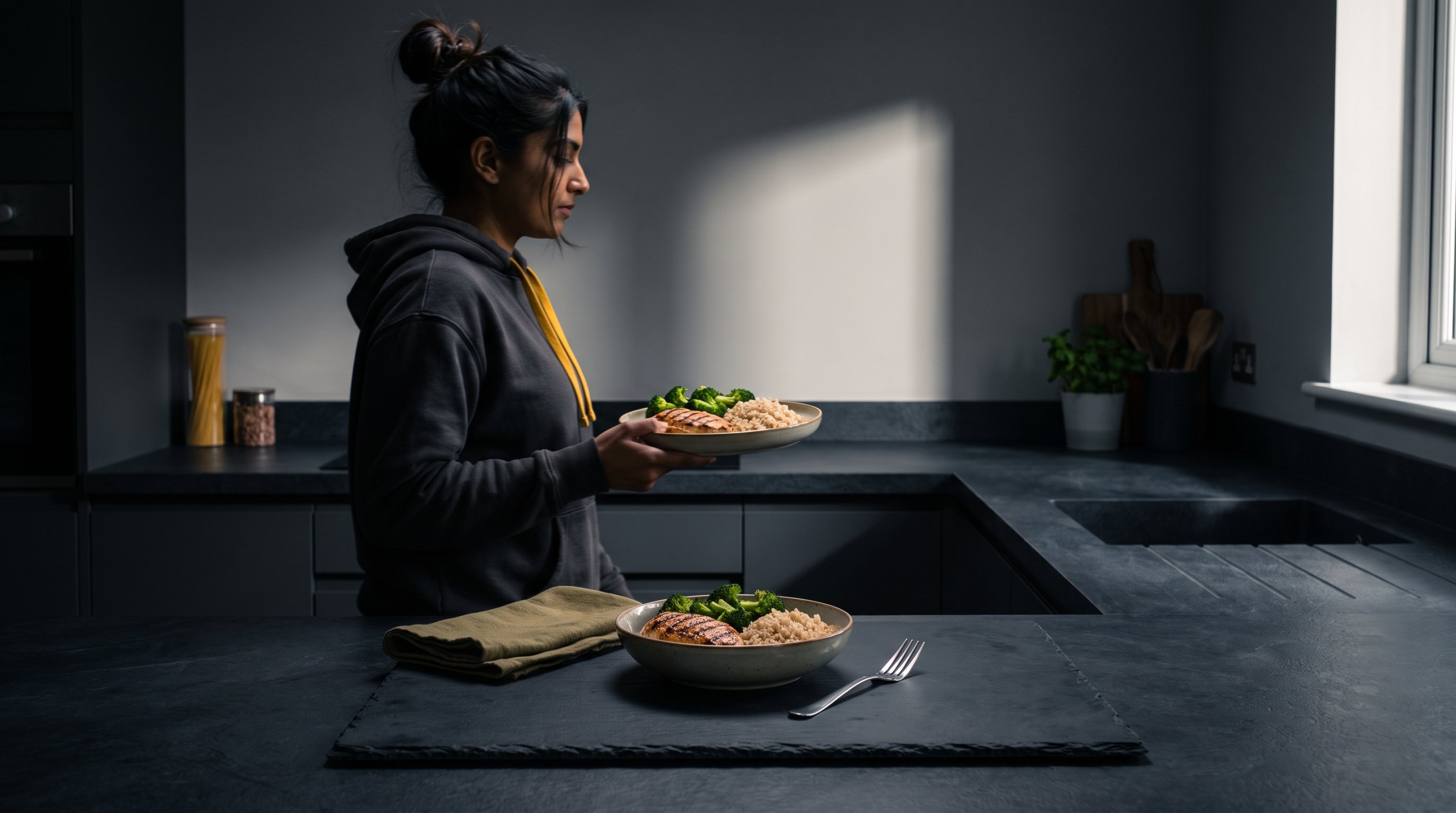
Starting to eat clean just means choosing foods closer to their natural state more often than not - more vegetables, whole grains and lean protein, less packaged and heavily processed stuff. It does not mean cutting out entire food groups or eating plain chicken and broccoli forever.
The mechanism is simple: whole foods tend to come with fibre, protein and water built in, which naturally fills you up on fewer calories than processed versions of the same meal. Swap the base of your plate gradually and the rest tends to follow.
This guide covers the practical steps to start, how much to actually change, a four-week structure to ease in, the mistakes that derail people, and what to expect along the way.
The First Steps to Start Eating Clean
You do not need a full pantry clear-out on day one. A handful of small, repeatable actions does more than one dramatic overhaul that fizzles out by week two.

Steps to Get Started
- Pick one meal to fix first - breakfast or lunch is usually easiest since it repeats daily and has fewer variables than dinner.
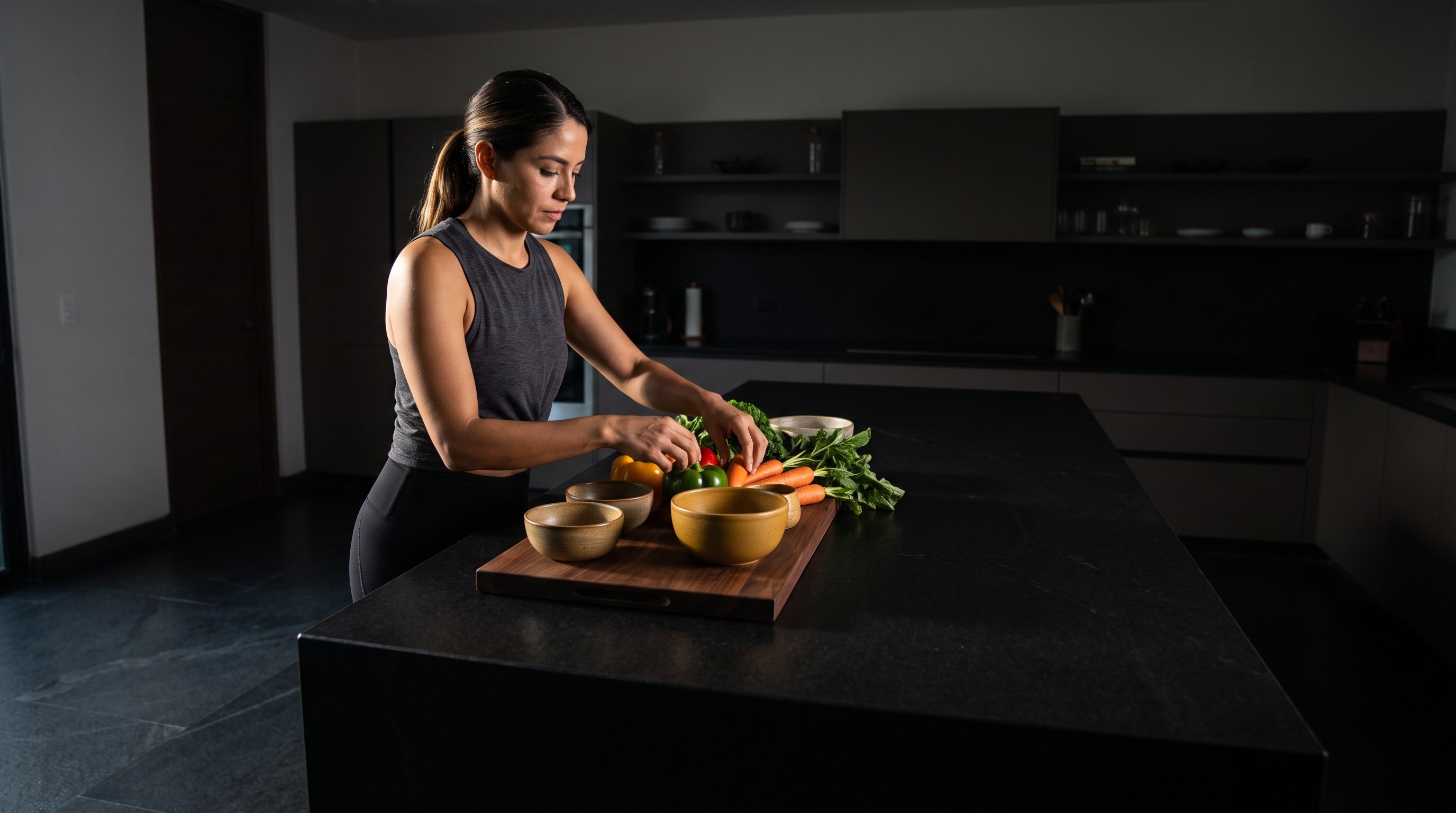
- Add a vegetable or fruit to that meal - do not remove anything yet, just add something whole alongside it.
- Read labels for one week before changing habits - notice how many ingredients are in your usual snacks, no judgement, just awareness.
- Swap one packaged snack for a whole-food version - fruit, nuts or yoghurt instead of something wrapped in plastic.
- Cook one extra meal at home per week - home cooking gives you control over what goes into the dish.
- Build a simple grocery list around whole foods - produce, proteins and grains first, everything else after.
- Repeat and expand slowly - once one meal feels automatic, move to the next.
None of these steps demand perfection. They just need to happen often enough to become normal.
How Much of Your Diet Actually Needs to Change
Eating clean is not an all-or-nothing switch, so it helps to think in proportions rather than strict bans.
A Practical Starting Split
Aiming for most meals built around whole foods, with some room left for convenience and treats, tends to be far easier to sustain than a zero-tolerance approach.
| Food Category | Rough Guide |
|---|---|
| Vegetables and fruit | Fill a third of the plate |
| Protein source | A palm-sized portion per meal |
| Whole grains or starches | A cupped-hand portion |
| Packaged or processed foods | Occasional, not daily default |
| Water | Default drink most of the day |
These are rough guides, not rules to measure out with a ruler. The point is a pattern you can repeat most days without thinking too hard about it.
Fitting Clean Eating Into a Normal Week
Real weeks have early meetings, tired evenings and the occasional takeaway night, so clean eating has to flex around that rather than fight it.
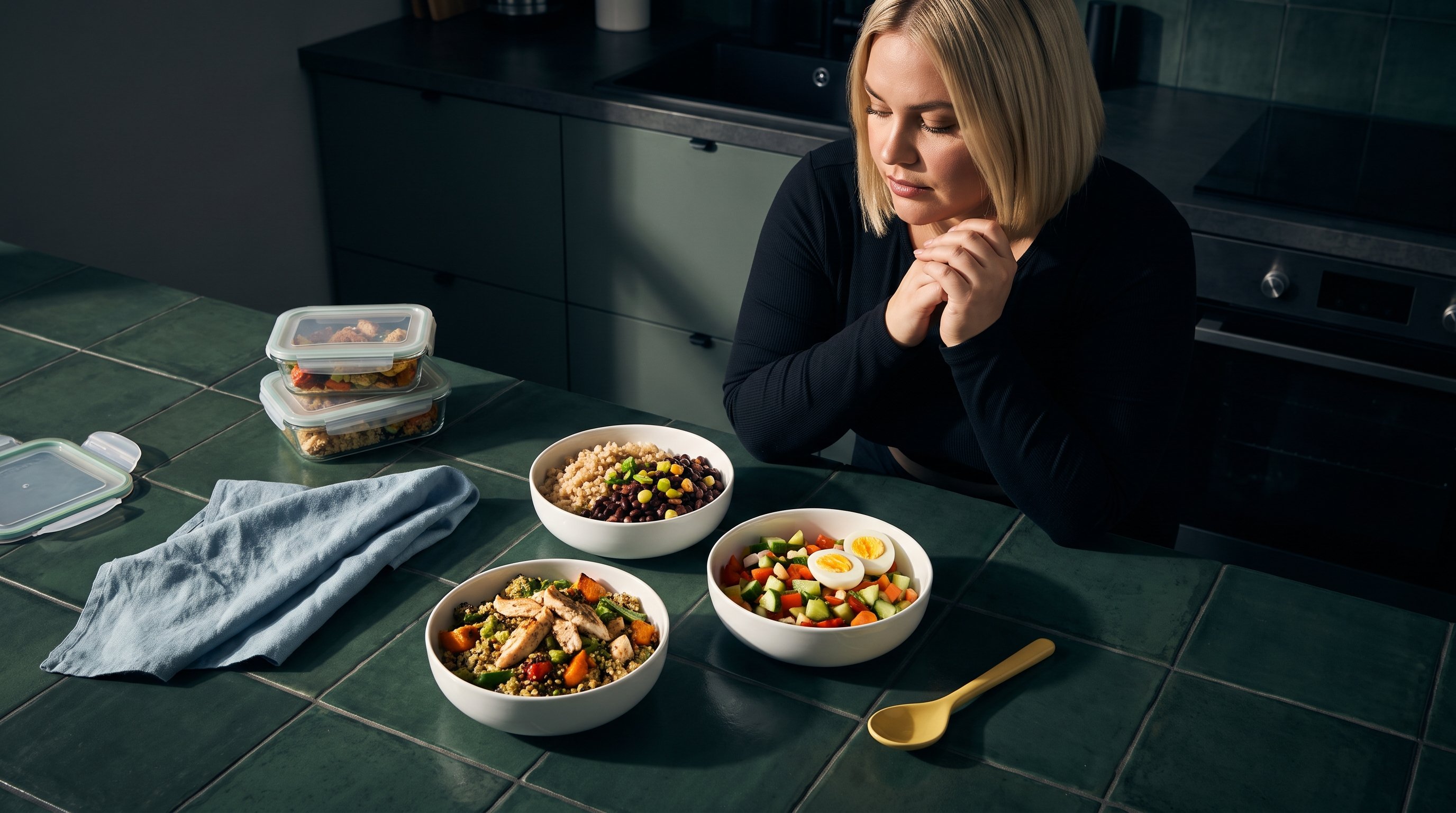
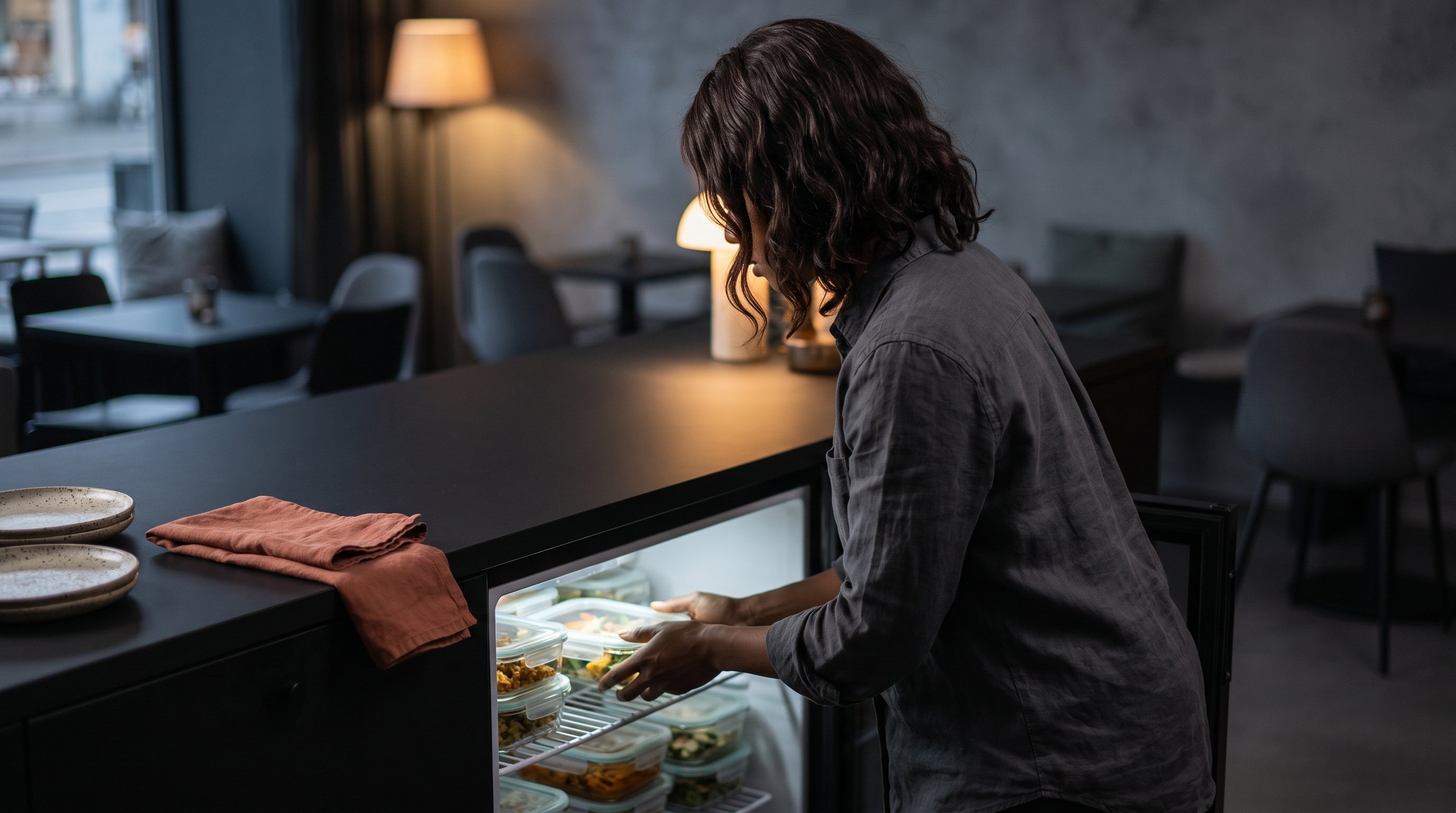
Batch-cooking a base of grains and roasted vegetables at the start of the week means a clean meal is often faster to put together than ordering something in.
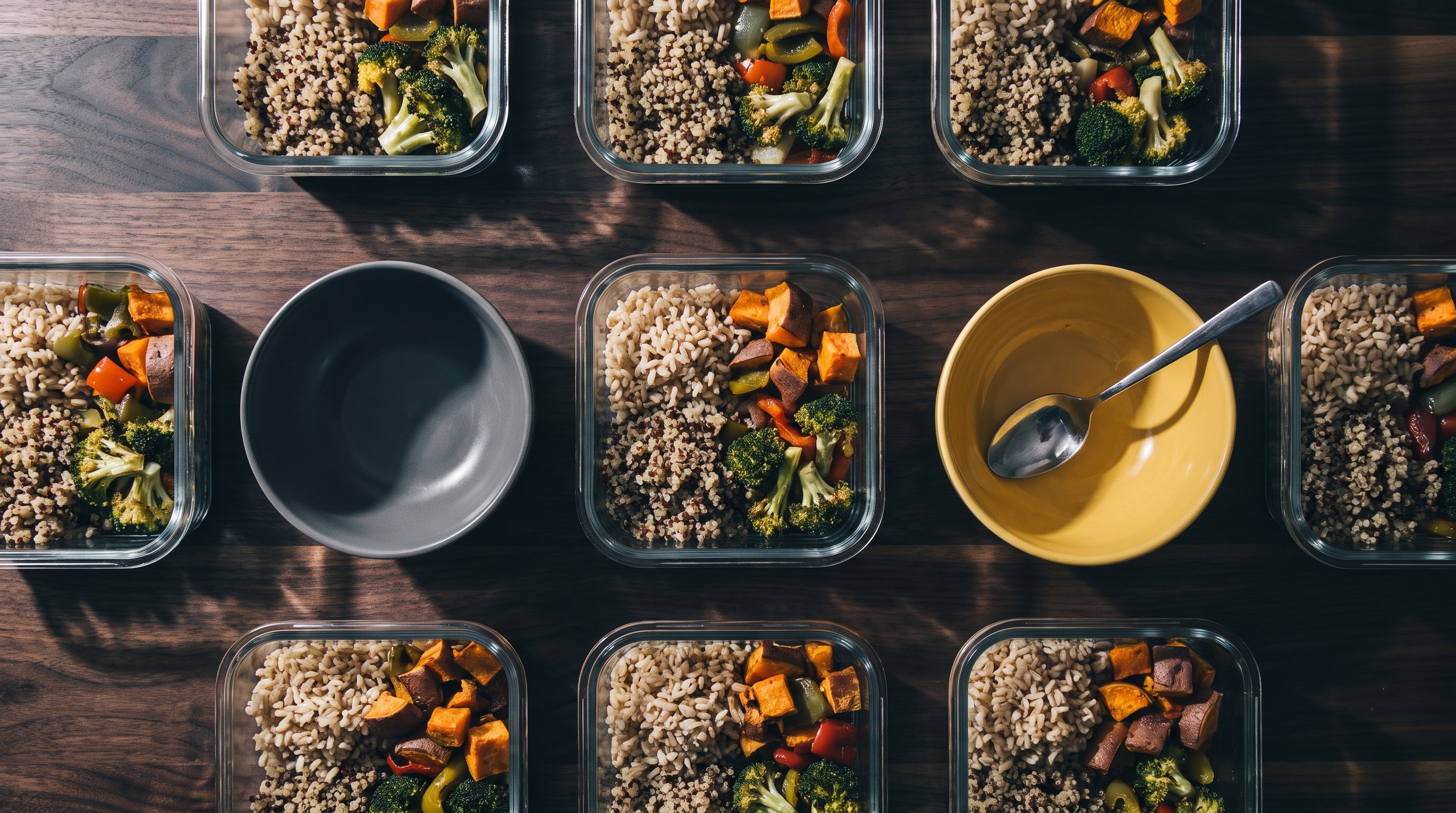
This is where a customized meal plan built around food you already like removes a lot of the daily decision-making, and it's one of the things customized nutrition apps focus on alongside their recipe collections.
Having a plan on hand for busy days means you are not choosing between cooking from scratch and giving up - there is usually a quicker whole-food option in between.
A Four-Week Structure for Easing Into Clean Eating
Changing everything at once rarely sticks, so spreading the shift over a few weeks gives habits time to settle before adding the next layer.
| Stage | Main Focus |
|---|---|
| Week 1 | Add vegetables, swap one snack |
| Week 2 | Cook two more meals at home |
| Week 3 | Reduce packaged foods at dinner |
| Week 4 | Build a repeatable weekly pattern |
The order matters more than the exact pace. Build the habit of adding whole foods before worrying about removing anything.
When Clean Eating Habits Start to Feel Normal
The first couple of weeks usually feel like effort because you are thinking about food choices you used to make on autopilot.
That mental load tends to ease once a few meals become automatic rather than decisions you have to make fresh each day.
It is hard to say exactly when this shift happens for any one person, since it depends on how many meals a week you are changing and how consistent you are with grocery shopping.
Expect some weeks to feel easier than others. A missed day of clean eating does not undo the pattern you are building, it is just one meal.
Common Mistakes That Derail a Clean Eating Start
Cutting Out Entire Food Groups on Day One.
Removing carbs, fats or whole categories at once usually backfires because it is hard to sustain and makes meals harder to plan. Start by adding whole foods rather than banning anything outright.
Treating 'clean' As a Strict Rulebook.
Rigid rules around every ingredient tend to create stress around food rather than a better relationship with it. Aim for a pattern that is mostly whole foods, not a perfect scorecard.
Not Planning for Busy Days.
Without a backup plan, a hectic Tuesday often ends in whatever is fastest. A few go-to meals or a meal plan ready in advance closes that gap.
Skipping Meals to Compensate.
Skipping meals to offset a less-than-clean choice tends to lead to overeating later. Just continue the pattern at the next meal instead.
Overhauling the Whole Kitchen at Once.
Throwing out every packaged item in one go is expensive and often unnecessary. Replace things gradually as you use them up.
Starting Clean Eating With Herletics As Your Guide
Clean eating works best when it is paired with movement that builds strength, rather than treated as a standalone fix, since diet alone moves slowly without some training alongside it.
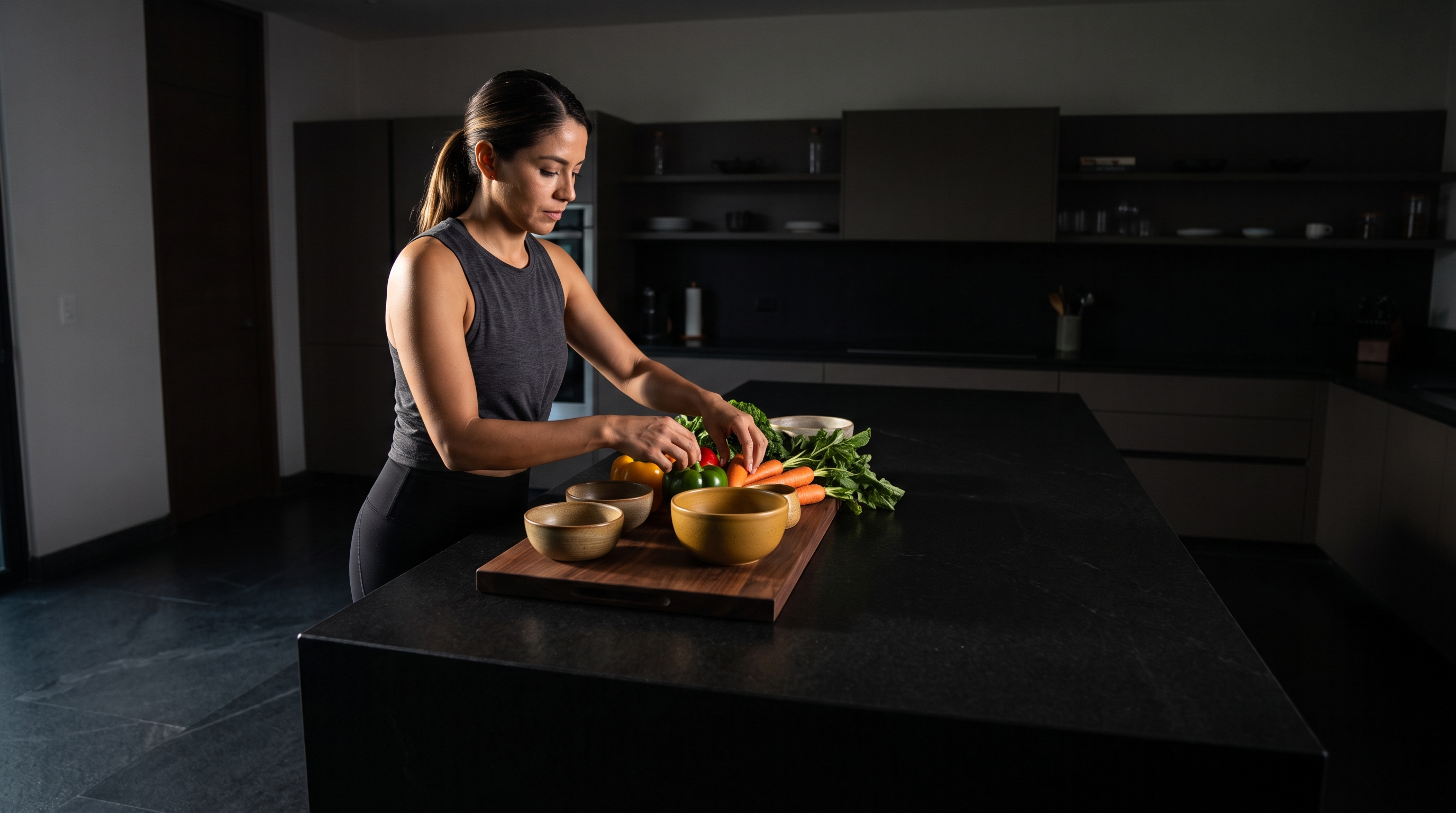
Herletics brings together a customized meal plan with recipes, progress tracking for weight and water intake, and nutrition guides written by nutrition experts, so the food side of things sits alongside a Military Calisthenics Workout Plan rather than as a separate project.
The wellness challenges inside the app are built to keep you consistent on the weeks where motivation alone is not enough.
Get Your Training Plan
Train Like a Warrior
Making Clean Eating Your Default, Not a Phase
Pick one meal today and add a whole food to it. That single small change is a more reliable starting point than planning a perfect week that never quite happens.
A customized meal plan with recipes and tracking tools can sit alongside that first step, but the habit itself starts with you choosing one meal and repeating it until it feels ordinary.
FAQ
No, clean eating is about choosing whole versions of foods across all groups, including carbs and fats. Cutting entire groups is harder to sustain and not necessary to make progress.
Whole foods like grains, beans and seasonal produce are often cheaper per serving than packaged convenience meals. Cost usually comes down to planning rather than the food category itself.
A customized meal plan with quick recipes, like the one inside Herletics, removes a lot of the planning that eats up time on busy evenings. Batch-cooking a few components ahead also saves time across the week.
One meal does not undo the pattern you have been building, so there is no need to restart from zero. Just continue with the next meal as planned.
Share this post