Pre Workout Meals: What to Eat on Busy Days to Fuel Training
By:Author:Herletics Editorial
Updated on:October 28, 2026

- Do Pre Workout Meals Actually Make a Difference?
- How the Timing and Mix Actually Work
- How Much to Eat Before Training and When
- Why Planning a Snack Beats Winging It Every Day
- Fitting Pre Workout Eating Into a Packed Morning
- The Myth That One Magic Pre Workout Food Exists
- What Actually Changes How a Session Feels
- Common Mistakes With Pre Workout Meals
- Making Pre Workout Meals Easier With Herletics
- Keeping Pre Workout Habits Simple Long Term
The simple answer: eat something with carbohydrate and a bit of protein one to three hours before training, smaller if you're tighter on time. That's the direct answer most people searching for pre workout meals actually want.
The mechanism is straightforward. Your muscles run on stored carbohydrate, and topping that up before a session gives you something to draw on instead of training on empty.
This article covers how pre workout eating actually works, how much and how often to eat, what to do when you're rushed, and the mistakes that quietly flatten a session.
Do Pre Workout Meals Actually Make a Difference?
Yes, in a mechanical sense that's easy to follow. Your body stores carbohydrate as glycogen in muscle and liver, and that glycogen is the fuel your muscles pull from during moderate to hard effort.
Train on an empty tank and you're relying on whatever glycogen is left from your last meal, which might be enough for a short easy session but runs thin fast once intensity climbs.
Say you had dinner at 7pm and train at 7am with nothing in between - that's twelve hours without topping up stores that get used continuously overnight too.
A small meal or snack beforehand refills some of that gap, which is why sessions often feel steadier after eating something beforehand rather than nothing at all.
How the Timing and Mix Actually Work
Two separate things matter here: when you eat, and what you eat. Getting either one wrong is usually why a pre workout meal backfires.
Why Timing Changes How You Feel Mid-Session
A large meal eaten right before training sits in your stomach while blood flow is busy going to working muscles, which is why people feel heavy or sluggish when they train too soon after eating. Spacing a proper meal one to three hours out gives digestion a head start, while a smaller snack 30 to 60 minutes out is usually light enough not to cause that drag.
Why Carbohydrate Does Most of the Work Here
Carbohydrate converts to glucose fastest and is what tops up glycogen stores most directly, which is why it's the main component of a pre workout meal rather than protein or fat. A bit of protein alongside it is useful too, but fat and large amounts of fibre slow digestion and are better saved for meals further away from training.
How Much to Eat Before Training and When
Matching Portion Size to the Time You Have
The rule of thumb is simple: the closer to training, the smaller and simpler the meal needs to be. A full plate three hours out is fine, but that same plate 30 minutes before a session is a recipe for cramping or feeling heavy.

Here's a simple way to match timing with what's realistic to eat.
| Time Before Training | Realistic Option |
|---|---|
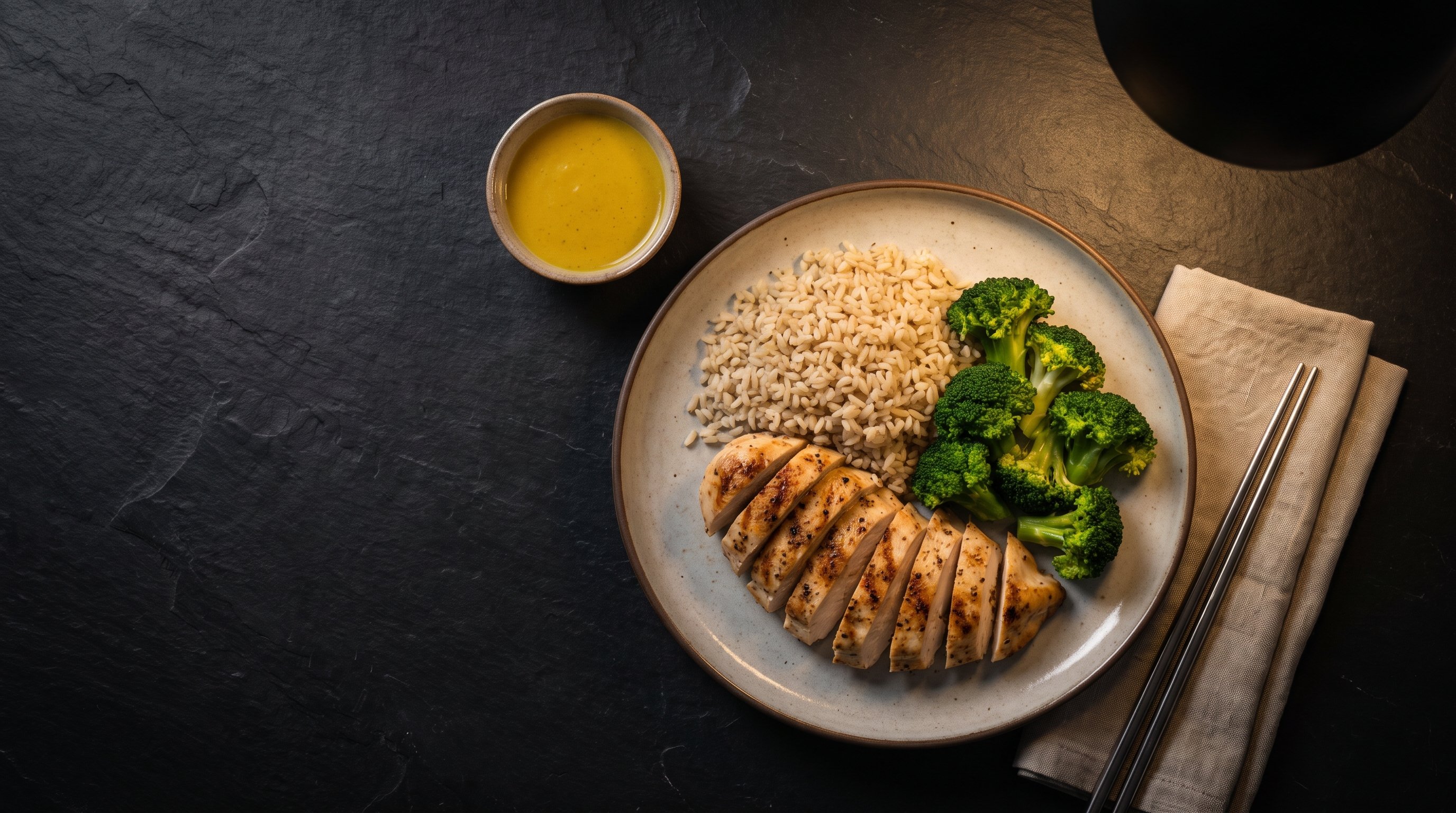
| 3 hours before | Rice, chicken, vegetables |
| 1 to 2 hours before | Oats with fruit and yoghurt |
| 30 to 60 minutes before | Banana or a slice of toast |
| Under 30 minutes before | A few dates or a small smoothie |
| No time at all | Water, and eat properly after |
Why Planning a Snack Beats Winging It Every Day
The harder alternative is cooking a fresh, carefully timed meal before every single session, which sounds great until Tuesday morning arrives and there's no time for it.
The easier route is keeping two or three go-to options on hand - a banana, a pot of yoghurt, a slice of toast with jam - so there's always something quick rather than nothing at all.
Consistency beats precision here. Someone who reliably eats a simple banana before every session will out-perform someone who occasionally nails the ideal meal but mostly trains on empty because planning felt like too much effort.
Fitting Pre Workout Eating Into a Packed Morning
Mornings are usually where this falls apart - alarm goes off late, there's no time to cook, and the session gets done on an empty stomach by default.
Prepping the night before solves most of it: overnight oats in the fridge, fruit already washed, or a smoothie portioned out and ready to blend.
A meal plan built around food you already like removes the guesswork entirely, which is part of what a structured fitness program offers alongside its workout structure - so the eating side doesn't become its own daily decision.
The Myth That One Magic Pre Workout Food Exists
There's no single miracle food that unlocks better training, no matter what gets marketed that way.
The body doesn't respond to one ingredient - it responds to having enough usable fuel on board, which a plain banana or a bowl of oats does just as well as anything fancier.
The real answer is boring but true: consistent, simple carbohydrate before training beats chasing a specific product every time.
What Actually Changes How a Session Feels
A few factors matter more than the rest for how fuelled a session feels.
The Biggest Factors in Pre Workout Energy
- Whether you ate anything at all - something beats nothing in almost every case, even if it's small.
- How close to training you ate - matching portion size to the time available avoids both hunger and heaviness.
- Overall eating across the day - one snack can't fix a day of under-eating, so the meal before training works best as part of a steady pattern.
Common Mistakes With Pre Workout Meals
Eating Too Much Too Close to Training
A heavy meal eaten 20 minutes before a session often causes cramping or a sluggish feeling. Push it back to at least an hour, or shrink the portion right down.
Skipping Food Entirely and Hoping for the Best
Training on empty most days tends to make sessions feel harder than they need to. Even a small snack closes most of that gap.
Trying a New Food Right Before a Big Session
Testing an unfamiliar meal before a session you care about is risky if it doesn't sit well. Stick to foods that are already familiar before training that matters.
Loading Up on Fat and Fibre Beforehand
A plate heavy in fat or fibre digests slowly and can sit uncomfortably during movement. Save those foods for meals further from training time.
Making Pre Workout Meals Easier With Herletics
Figuring out what to eat before training is a lot easier when it's already mapped out rather than decided fresh every morning.
Herletics builds meal plans around food you already like, so pre workout options are already sorted alongside the rest of your day rather than a separate puzzle to solve.
Pair that with progress tracking for water, weight and steps, plus a calisthenics workout plan that adjusts to your level, and the eating side stops being the part that trips people up.

Get Your Training Plan
Train Like a Warrior
Keeping Pre Workout Habits Simple Long Term
Pick two or three snacks that work for your schedule and keep them stocked, so the decision is already made before the morning gets busy.
That small bit of preparation is what carries a pre workout routine past the first few weeks, and a structured meal-planning system can help keep that structure in place alongside the rest of your training.
FAQ
Something light and carbohydrate-based works best, like a banana or a slice of toast, eaten 30 to 60 minutes beforehand. The closer to training, the smaller and simpler it should be.
It's not mandatory, but training on empty most days tends to make sessions feel harder than they need to. A small snack usually makes a noticeable difference without much effort.
Water alone is fine occasionally, and the meal after training can cover what was missed. A structured meal plan makes it easier to prep something quick the night before so this happens less often.
Usually because the plan relied on fresh decisions every morning instead of ready-to-go options. Keeping two or three simple snacks stocked removes that daily decision entirely.
Share this post