Military Calisthenics for Women: Fitting Training Into Real Life
By:Author:Herletics Editorial
Updated on:October 28, 2026

- Does Military Calisthenics for Women Actually Deliver Results?
- Bodyweight Training vs Gym Machines: Which Fits Your Week
- Why Fewer Barriers Beats a Harder Routine
- Who Military Calisthenics Suits and How to Adjust It
- Making Military Calisthenics Work Around a Full Week
- The Spot Reduction Myth in Military-Style Training
- Building Military Calisthenics Habits With Herletics
- Keeping Military Calisthenics Going Past the First Few Weeks
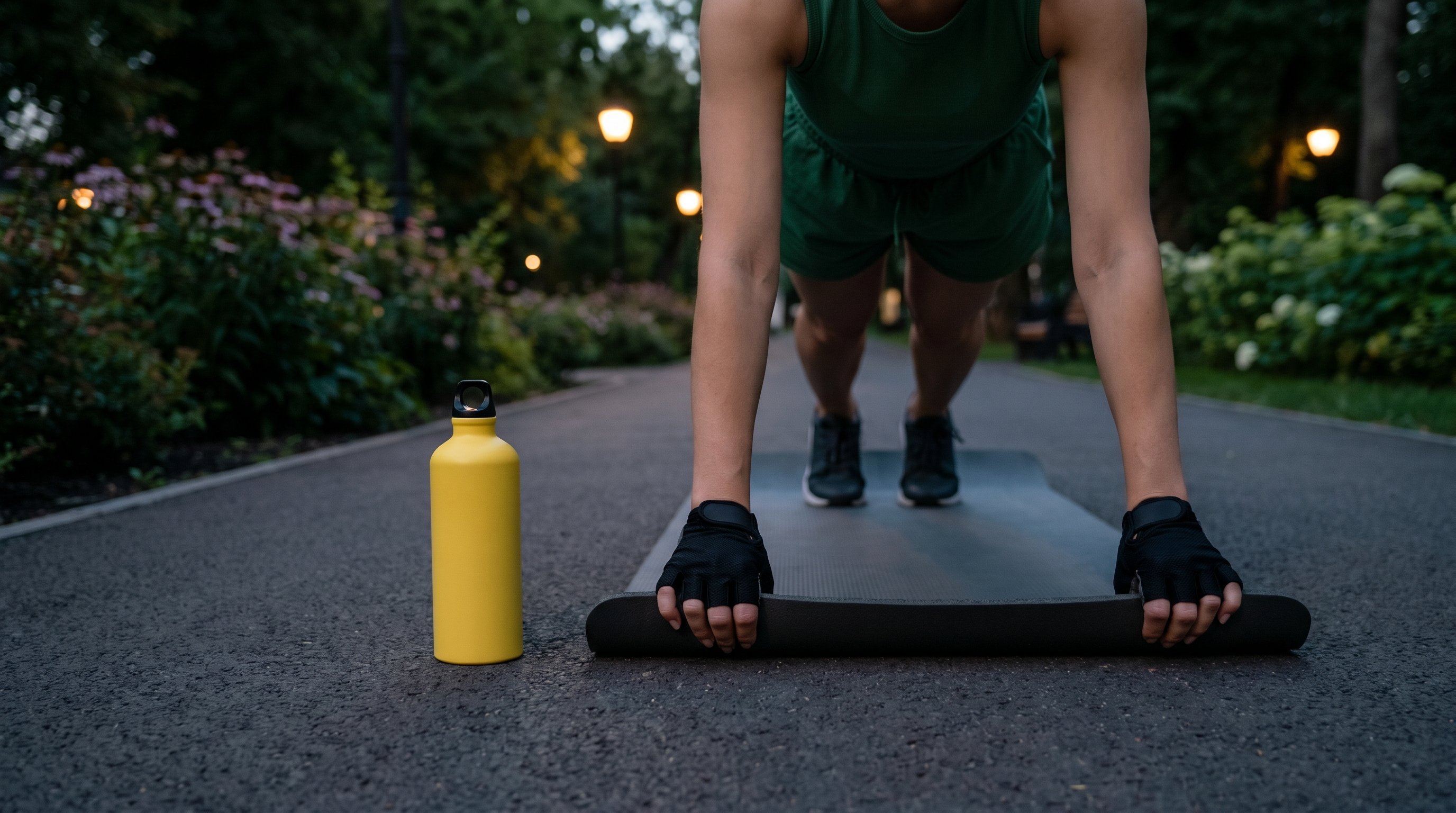
Military calisthenics for women works when it fits into the week that already exists, not the week you wish you had. It uses bodyweight moves built around military training drills - push-ups, squats, lunges, planks - arranged in sets and circuits that build strength and endurance over time.
The mechanism is simple. You load muscles against resistance, your body adapts by getting stronger, and repeated sessions over weeks turn that adaptation into visible change.
This article covers whether it actually works, how it compares to gym training, why the easier version tends to win, who it suits, and how to fit it into a week that is already full.
Does Military Calisthenics for Women Actually Deliver Results?
Yes, in the sense that bodyweight resistance training builds strength and endurance the same way weighted training does - by making muscles work harder than they are used to.
A push-up loads your arms, chest and core against your bodyweight as resistance, which is enough to drive adaptation when repeated consistently over weeks.
The Arithmetic Behind It
If a session has 3 rounds of 10 push-ups, 15 squats and a 30-second plank, that is 30 push-ups and 45 squats done consistently, three times a week.
Over a month, that is around 360 push-ups and 540 squats - enough repeated load for muscles to notice and adapt to.
What it will not do is remove fat from one specific area, no matter how many reps you add. The body decides where it uses stored energy from, and no exercise, military-style or otherwise, can direct that choice.
Bodyweight Training vs Gym Machines: Which Fits Your Week
The real decision most women weigh up is not which training style builds more muscle - it is which one you will actually keep doing.
Gym machines isolate muscles well, but they need a membership, a commute and often a queue for equipment.
Bodyweight calisthenics needs none of that, which matters more than it sounds once real life gets in the way.
| Factor | Calisthenics | Gym Machines |
|---|---|---|
| Equipment needed | None required | Machines and weights |
| Time to start | Immediate | Travel plus setup |
| Cost over time | No membership fee | Monthly membership |
| Where you train | Home or outdoors | Fixed location |
| Muscles worked | Multiple at once | Often isolated |
Neither option is wrong, but one removes more friction from a normal Tuesday than the other.
Why Fewer Barriers Beats a Harder Routine
The adherence argument is blunt: a session you actually complete beats a harder one you skip.
Military calisthenics done at home, in 20 minutes, with no equipment, removes the commute, the membership decision and the awkwardness of learning machines in public.
A gym programme might build strength slightly faster per session on paper, but only if the sessions actually happen.
Four home sessions a month beat one gym session that got planned and then cancelled three times.
This is the whole argument for the easier route: consistency over weeks adds up to more total work than intensity attempted once and abandoned.
Who Military Calisthenics Suits and How to Adjust It
If You're New to Training
Start with fewer reps per round - think 5 push-ups instead of 10 - and build up as form and confidence improve.
If Your Schedule Is Already Packed
Shorter circuits done more often tend to beat one long session squeezed in once a week, since the habit matters more than the duration.
If You're Returning After a Break
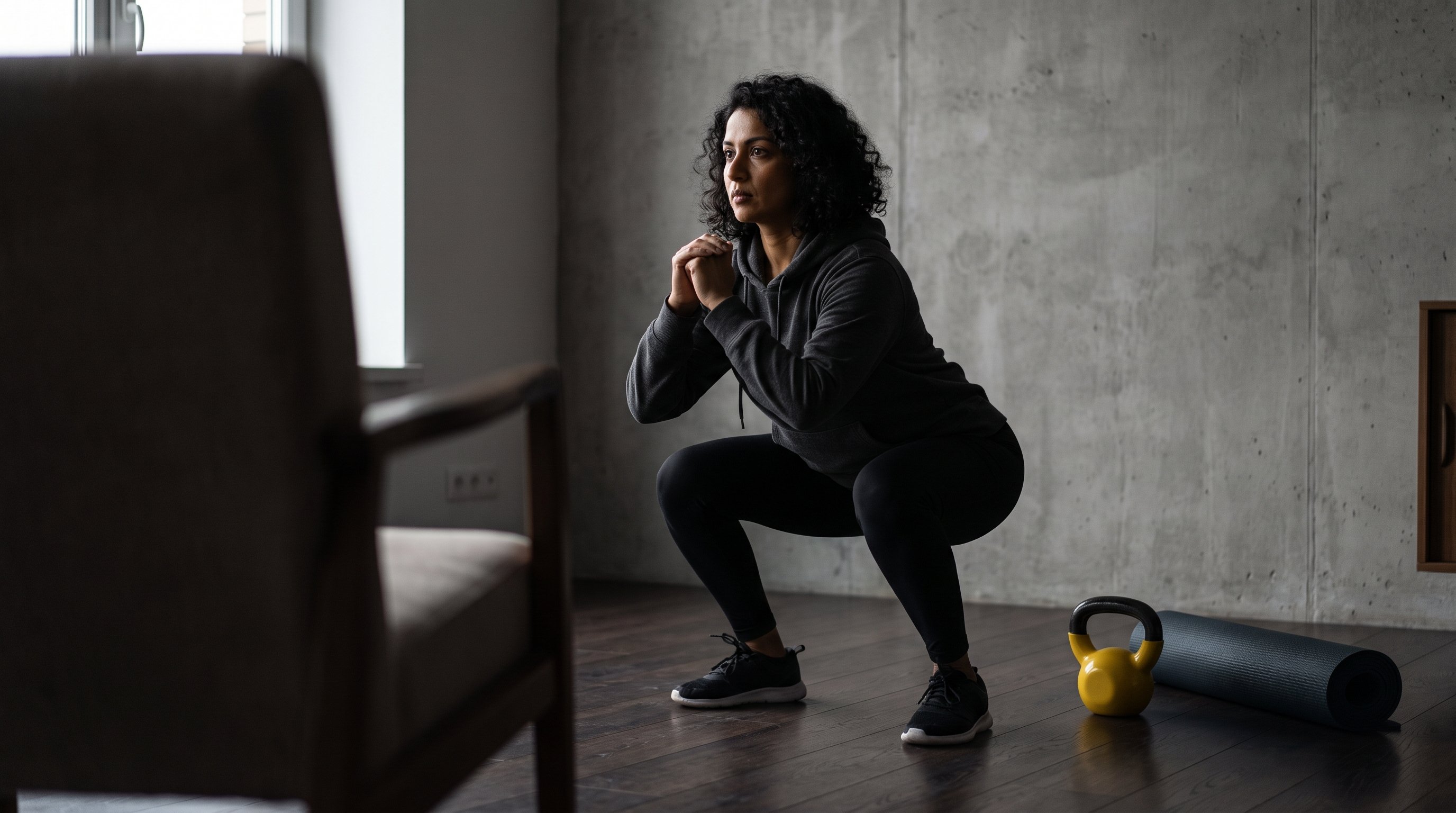
Drop the intensity back to where you started, not where you left off, since strength fades faster than memory of how hard it used to feel.
If You Prefer Training Outdoors
Park benches work for incline push-ups and step-ups, and a patch of grass is enough space for the rest of a circuit.
Making Military Calisthenics Work Around a Full Week
A full week does not leave room for an hour at the gym three times over, and it does not need to.
Short sessions, done at home or outdoors, fit into gaps that already exist - before the day starts, on a lunch break, or after the kids are in bed.
This is where Herletics fits in, with a progressive military calisthenics plan built around your fitness level, so the sessions scale to the time you actually have rather than the time a generic programme assumes you have.
Keeping steps, water and weight in one place also makes it easier to see whether the sessions are adding up, without needing a separate notebook or spreadsheet.
The Spot Reduction Myth in Military-Style Training
A lot of people start military calisthenics hoping to target one area - a flatter stomach, slimmer thighs - through exercises aimed at that spot.
That is not how the body works. Muscles get stronger where you train them, but where the body draws stored energy from is decided by the body, not by which exercise you picked.
The honest answer is that full-body training, done consistently, changes overall strength and composition over time - not one targeted region on command.
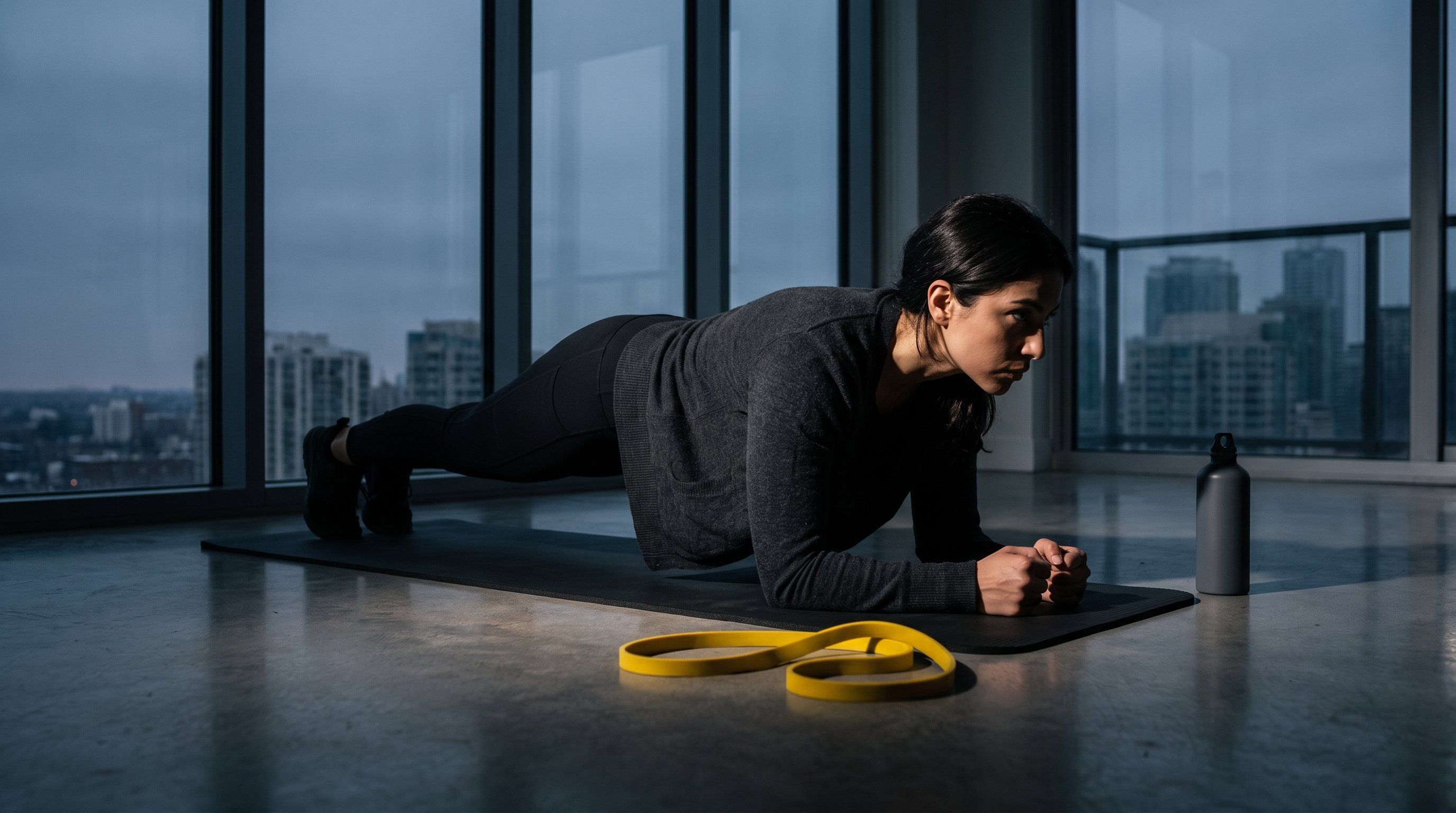
That is still a real result. It just arrives as overall change, not a spot fix.
Building Military Calisthenics Habits With Herletics
Sessions completed per month matters more than how hard any single one feels, which is the whole case for a structure you can actually follow.
Herletics brings together guided military-inspired calisthenics sessions, a customized meal plan with recipes created by nutritionists, and progress tracking for steps, water, weight and fasting, so the pieces that usually live in separate apps or notebooks sit in one place instead.
Movement on its own moves slowly without a change to how you eat, which is why the meal plan sits alongside the workouts rather than as an afterthought.
Motivating challenges and metabolism-focused tips are built to keep sessions happening on the weeks that are harder to stay consistent in, not just the easy ones.

Get Your Training Plan
Train Like a Warrior
Keeping Military Calisthenics Going Past the First Few Weeks
The practical move is to pick one short session this week and actually complete it, rather than planning the perfect four-week schedule and starting next Monday.
A progressive calisthenics app is built to make that next session easier to find time for, with a plan that adjusts to your level instead of asking you to adjust your week to it.
FAQ
Yes, because bodyweight moves like push-ups and squats load muscles enough to drive adaptation over repeated sessions. How quickly that becomes visible depends on consistency, not on how hard any single session feels.
It builds strength through a different kind of resistance, not a weaker one, since your own bodyweight provides real load for most people starting out. The bigger factor is usually which one you keep doing week after week.
Shorter circuits, even 10-15 minutes, still count and tend to get completed more often than long sessions that keep getting postponed. Fitting training into the gaps that already exist beats waiting for a free hour that rarely shows up.
Expect sessions to feel more manageable and form to improve before anything about appearance changes noticeably, since strength adapts before shape does. Herletics tracks sessions and habits over time, which makes that early progress easier to see even before it is obvious in the mirror.
Share this post