Calisthenics Workout for Women: Practical Bodyweight Strength
By:Author:Herletics Editorial
Updated on:October 28, 2026
- Building a Calisthenics Session Step by Step
- How Many Calisthenics Sessions a Week Add Up
- Making Calisthenics Work Around a Packed Week
- A Four-Week Calisthenics Starting Structure
- Where Calisthenics Routines Usually Fall Apart
- Mistakes That Slow Down Calisthenics Progress
- Turning Calisthenics Into a Routine With Herletics
- Keeping Your Calisthenics Workout Going Long Term
A calisthenics workout for women uses bodyweight moves like squats, push-ups and planks to build strength without equipment or a gym membership.
The mechanism is simple: muscles grow and get stronger when they work against resistance, and your own bodyweight provides plenty of that resistance when the angle or rep count is right.
This guide walks through the steps to build a session, how often to train, a four-week starting structure, the point where most people quit, and the mistakes that quietly undo progress.
Building a Calisthenics Session Step by Step
A solid session does not need a long list of exercises. It needs a structure that covers the whole body and leaves room to adjust as you get stronger.
How to Structure a Session
- Warm up for five minutes - light movement like marching on the spot or arm circles to get joints moving
- Pick one lower-body move - squats or lunges, done for a set number of reps or a set time
- Pick one upper-body push - push-ups against a wall, a bench, or the floor depending on current strength
- Pick one upper-body pull or hinge - glute bridges or a rowing motion using a sturdy table edge
- Add a core move - planks or dead bugs to build stability through the middle
- Repeat the circuit two to three times - resting as needed between rounds
- Cool down and stretch - five minutes to bring the heart rate back down
That is the whole session. Nothing fancy, nothing that needs a gym floor, just a repeatable circuit you can do in a bedroom or a park.
How Many Calisthenics Sessions a Week Add Up
Frequency matters more than any single hard session. A short, repeatable routine done three or four times a week outperforms one punishing workout done once.
A Simple Weekly Target
The table below gives a starting point based on how many days you can realistically commit to.
| Stage | Sessions per Week | Session Length |
|---|---|---|
| Just starting out | 2 to 3 sessions | 15 to 20 minutes |
| Building a habit | 3 to 4 sessions | 20 to 30 minutes |
| Established routine | 4 to 5 sessions | 25 to 35 minutes |
| Mixed with rest days | At least 1 rest day | Between sessions |
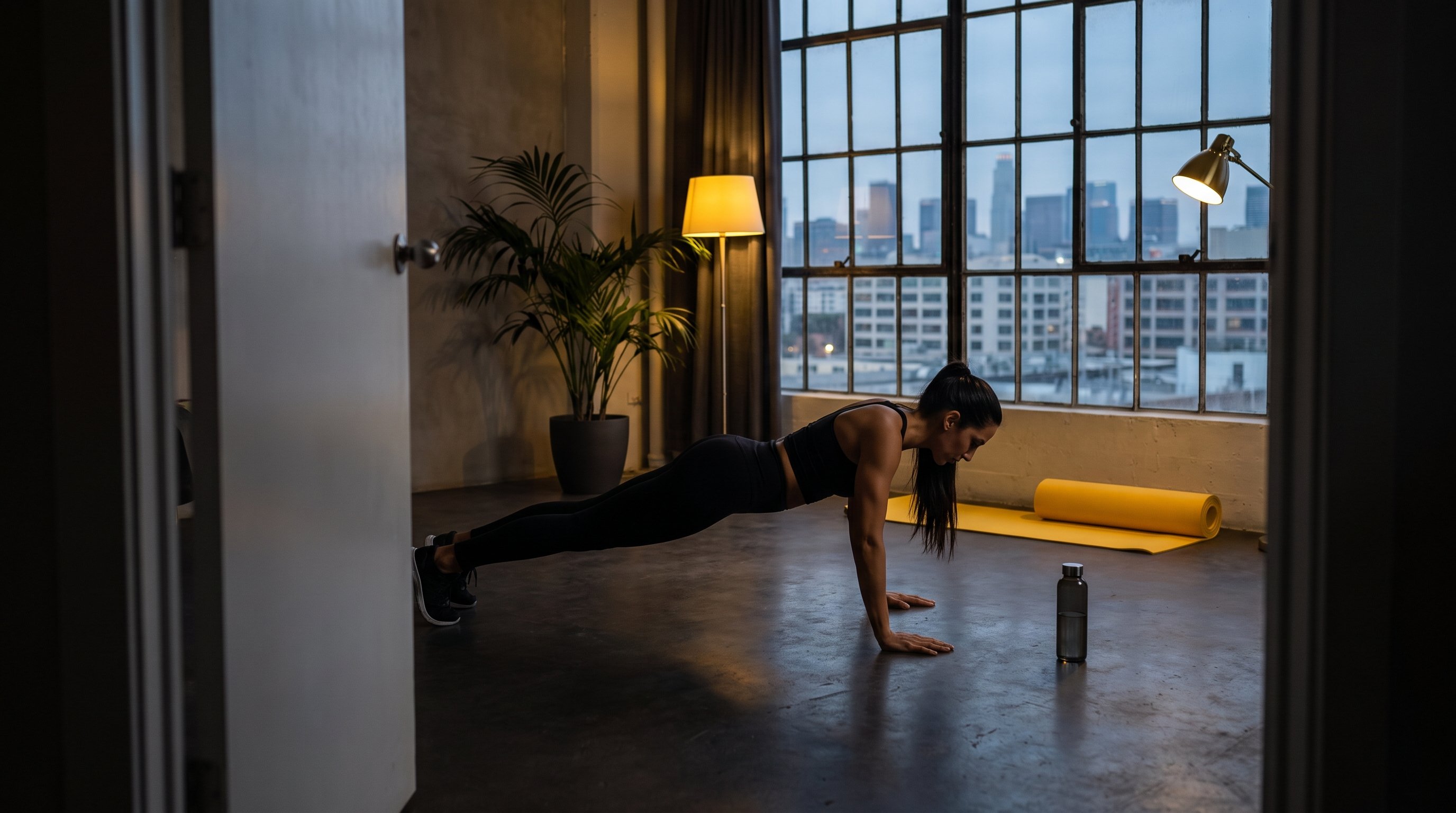
What matters is consistency across weeks, not hitting a perfect number every single time.
Making Calisthenics Work Around a Packed Week
The biggest barrier to any workout for women is not motivation, it is logistics: finding a slot, remembering what to do, and not wasting time figuring it out each day.
A calisthenics workout for women solves part of that already since there is no travel time to a gym and no equipment to pack.
This is where a structured plan helps rather than hurts. A progressive bodyweight plan tailored to your level means the decision of what to do each day is already made before you start.
Pairing that with a food plan built around meals you already like, plus a tracker for steps, water and weight in one place, removes most of the friction that causes people to skip sessions.
A Four-Week Calisthenics Starting Structure
The order of this plan matters more than the exact numbers. Each stage builds on the last rather than adding difficulty for its own sake.
| Stage | Focus | What Changes |
|---|---|---|
| Week 1 | Learn the moves | Two to three short sessions, focus on form |
| Week 2 | Add a session | Three sessions, slightly longer circuits |
| Week 3 | Increase reps | Same sessions, more reps per round |
| Week 4 | Add variety | Swap one move per circuit to keep it fresh |
By the end of four weeks, the goal is not a dramatic change, it is a routine that feels normal instead of like a chore.
Where Calisthenics Routines Usually Fall Apart
Most people do not quit because the exercises are too hard. They quit when life gets busy and the routine was never built to survive a disrupted week.
The weeks right after the initial excitement fades are the ones that matter most, since that is when a routine either becomes a habit or quietly disappears.
Expecting a dip in motivation around this point, rather than being surprised by it, makes it much easier to keep going instead of starting over from scratch.
Mistakes That Slow Down Calisthenics Progress
Doing Too Much, Too Soon
Jumping straight into long, advanced circuits often leads to soreness so bad that the next session gets skipped. Start smaller than feels necessary and add difficulty gradually instead.
Skipping the Lower Body
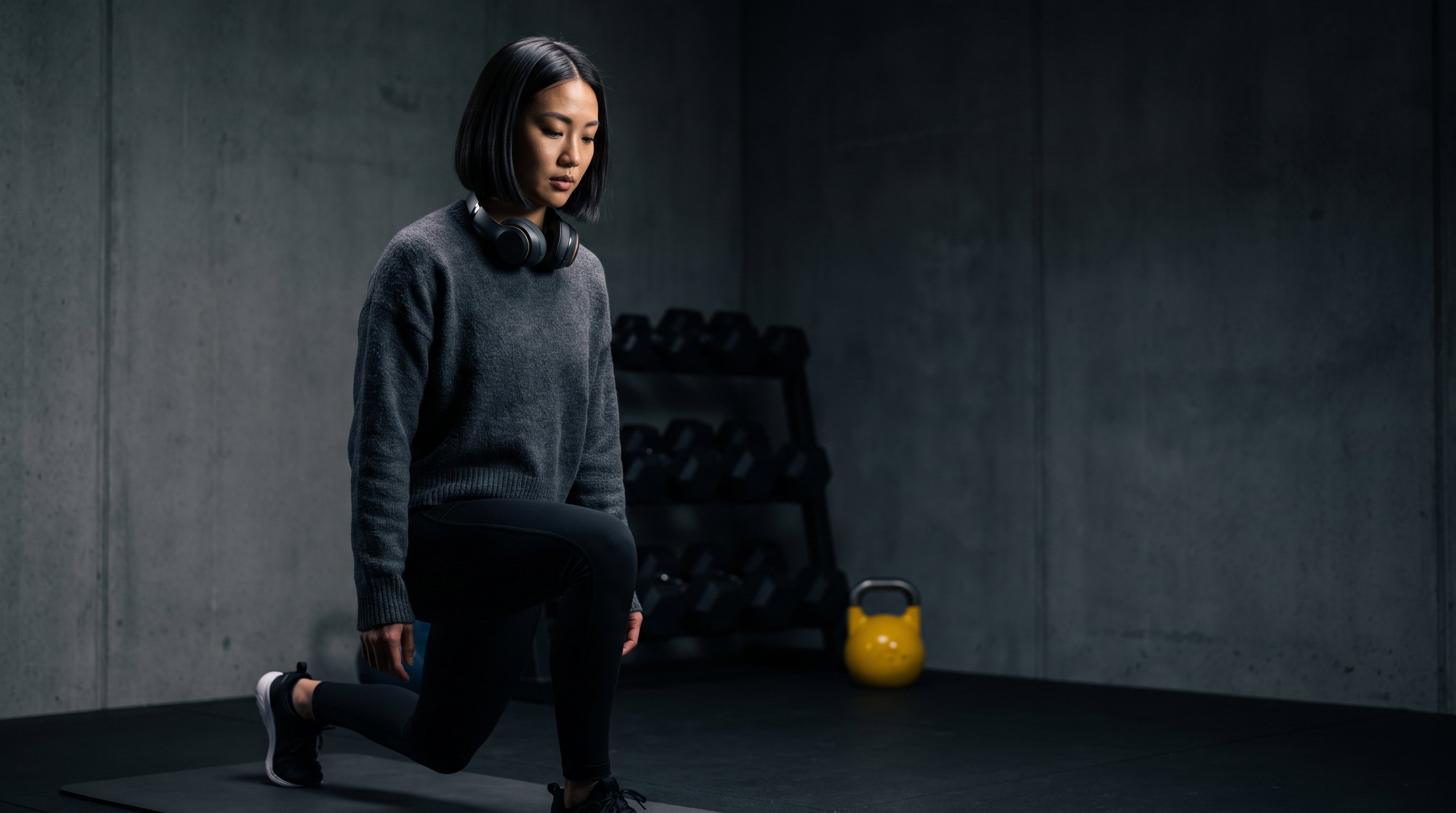
It is tempting to focus on push-ups and planks and ignore squats and lunges. A balanced routine trains the whole body, not just the parts that feel more visible.
Chasing a Different Body Shape in One Area
No amount of ab work targets fat in one spot, since the body does not choose where it uses energy from. Strength work changes how your body performs overall, not the shape of one area on demand.
Training Without Any Nutrition Change
Bodyweight training builds strength and stamina, but movement alone is slow without a change to what you eat day to day. Pairing training with a sensible, sustainable approach to food speeds up how the whole effort pays off.
Quitting After One Missed Week
Missing a week does not erase progress, but treating it as a reason to stop entirely does. Restarting the same routine the following week matters far more than being perfect.
Turning Calisthenics Into a Routine With Herletics
Knowing the steps is one thing, sticking with them week after week is the harder part. That is the gap a structured app is built to close.
Herletics builds a progressive calisthenics plan around your current fitness level, so sessions scale up as you get stronger instead of staying static or guessing.
It also pairs that training with a meal plan built around food you already like, plus trackers for steps, water, weight and fasting, and wellness challenges designed to keep you showing up.
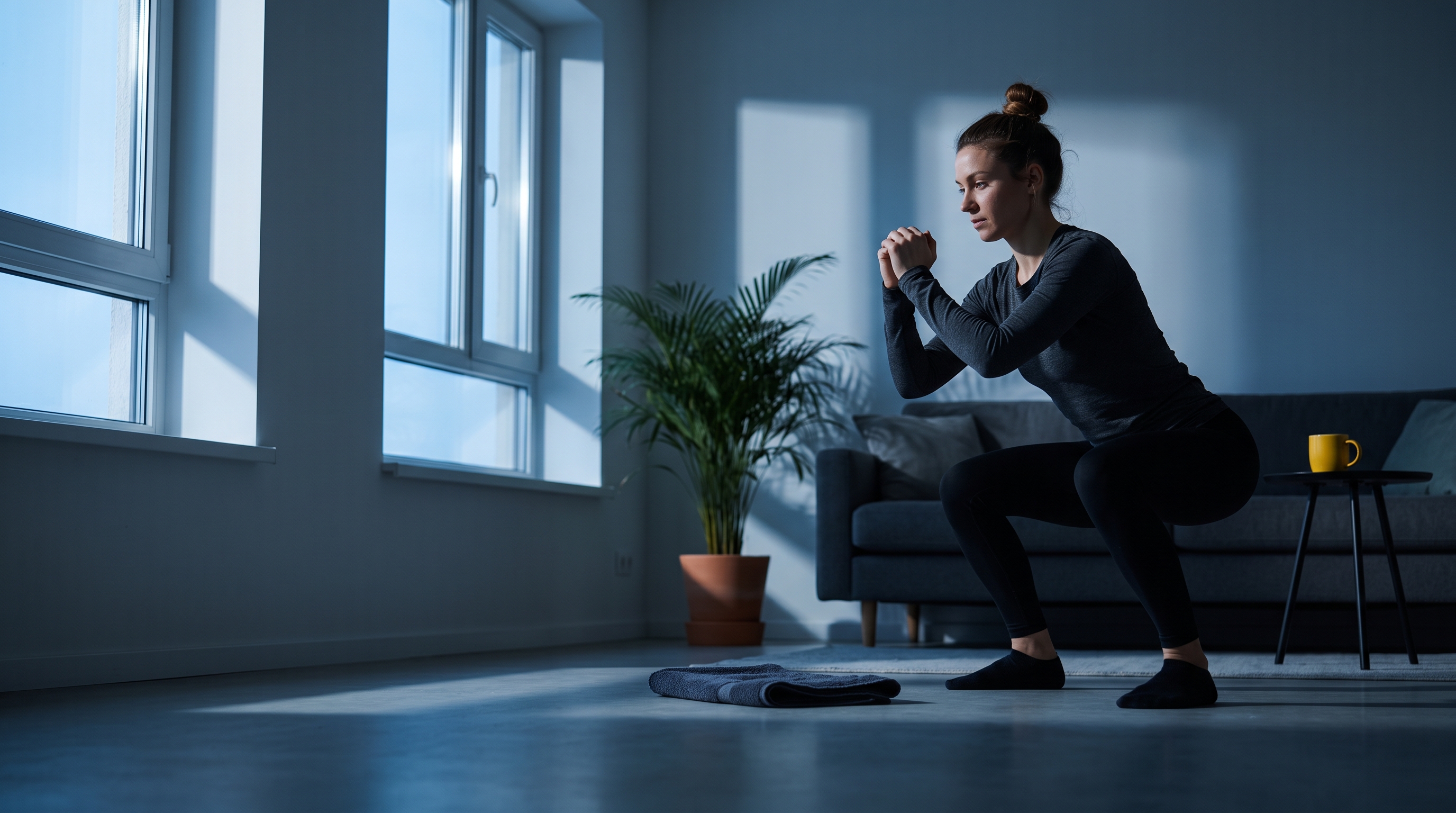
Get Your Training Plan
Train Like a Warrior
Keeping Your Calisthenics Workout Going Long Term
A calisthenics workout for women does not need a gym, equipment, or hours of free time to work. It needs a repeatable structure and enough sessions completed per month to add up.
Pick a simple circuit, commit to a realistic number of sessions each week, and let a structured training app handle the planning so the only decision left is to show up.
FAQ
Yes, bodyweight moves like squats, push-ups and planks provide real resistance, and strength builds when that resistance is applied consistently over time. The angle, rep count and tempo of a move can all be adjusted to keep challenging the muscles as you get stronger.
It is a different tool, not a weaker one, since both rely on the same basic principle of working muscles against resistance. For most people starting out, the bigger factor is which one they will actually keep doing, and bodyweight training removes the gym membership and equipment as excuses.
A shorter circuit done consistently beats a longer one done rarely, so cutting a session down to ten or fifteen minutes is far better than skipping it. Even two or three short sessions a week can keep a routine alive through a busy stretch.
Herletics lays out a progressive bodyweight plan tailored to your fitness level, alongside meal plans, trackers and challenges that support consistency. It takes the guesswork out of what to do each session so the focus stays on showing up.
Share this post