Does Military Calisthenics Work? Realistic Results Explained
By:Author:Herletics Editorial
Updated on:October 28, 2026
- What a Realistic Military Calisthenics Week Looks Like
- How Many Calisthenics Sessions Actually Move the Needle
- Why Bodyweight Consistency Beats a Gym Grind
- Fitting Calisthenics Training Into an Already Full Day
- Who Military Calisthenics Suits and Who Should Adjust It
- What Changes Week by Week and Where People Quit
- Making Military Calisthenics Work With Herletics
- Sticking With Bodyweight Training Past the First Try
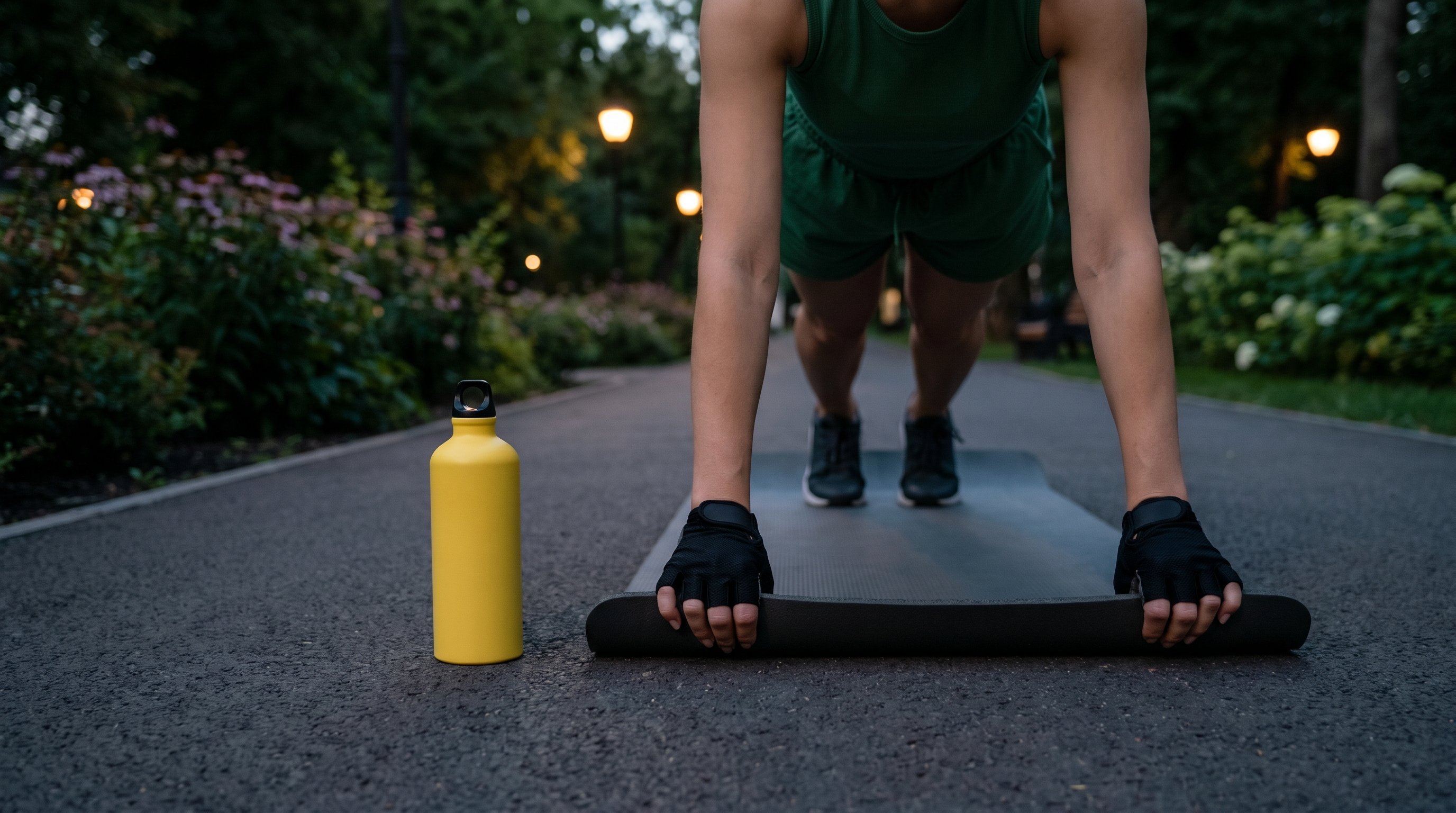
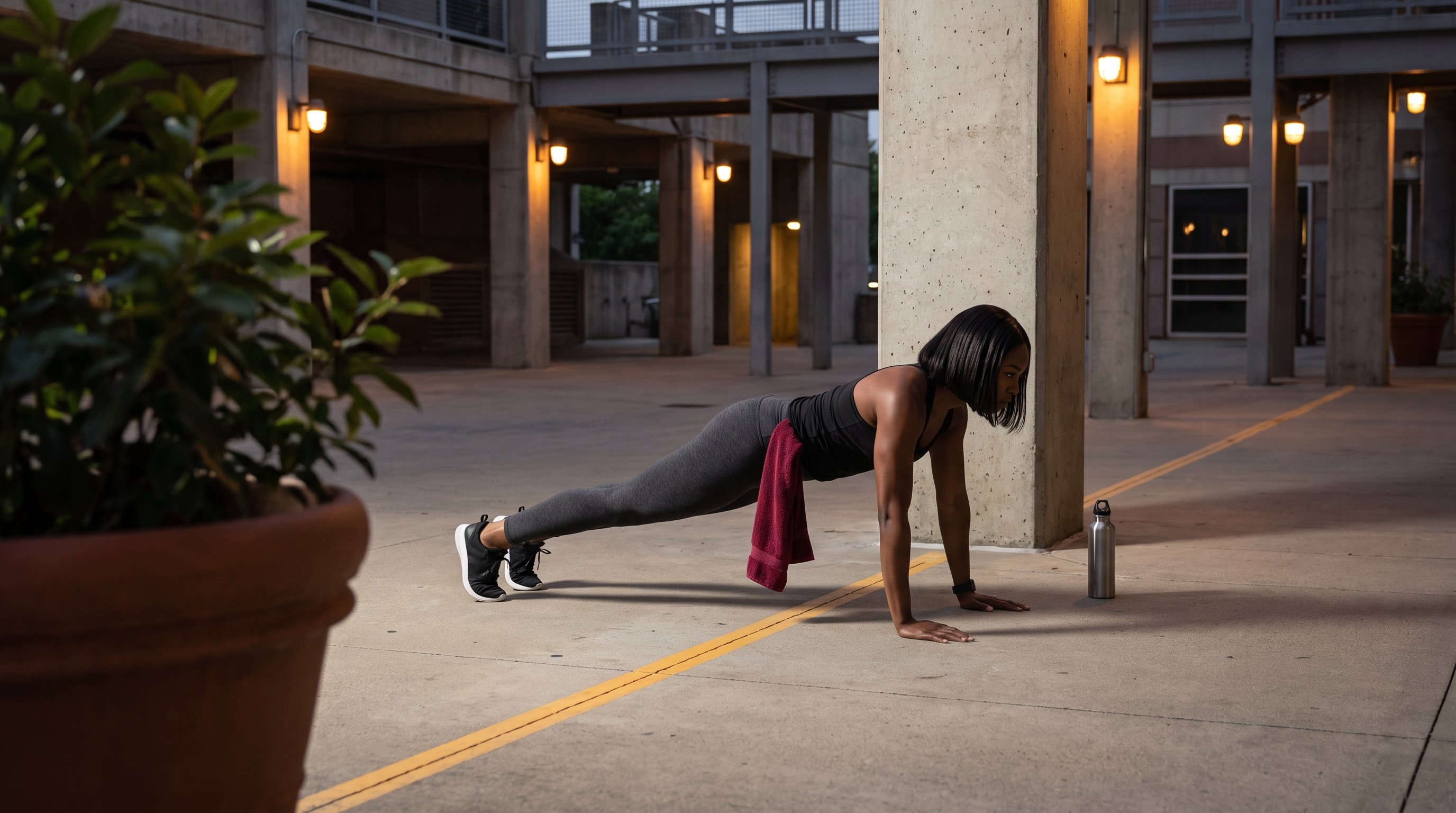
Yes, military calisthenics works - but it works the same way any strength training works, not through any special military label attached to it. The mechanism is simple: push-ups, squats, lunges and planks load your muscles against your own bodyweight, and your body adapts by getting stronger and more efficient at handling that load.
There's nothing magic in the drill-sergeant framing. What makes these routines effective is the structure behind them - progressive difficulty, repeated sessions, and movements that hit most major muscle groups without equipment.
This article walks through what a realistic week looks like, how often you actually need to train, why the easier version usually beats the harder one, who it suits, and what to expect as weeks go by.
What a Realistic Military Calisthenics Week Looks Like
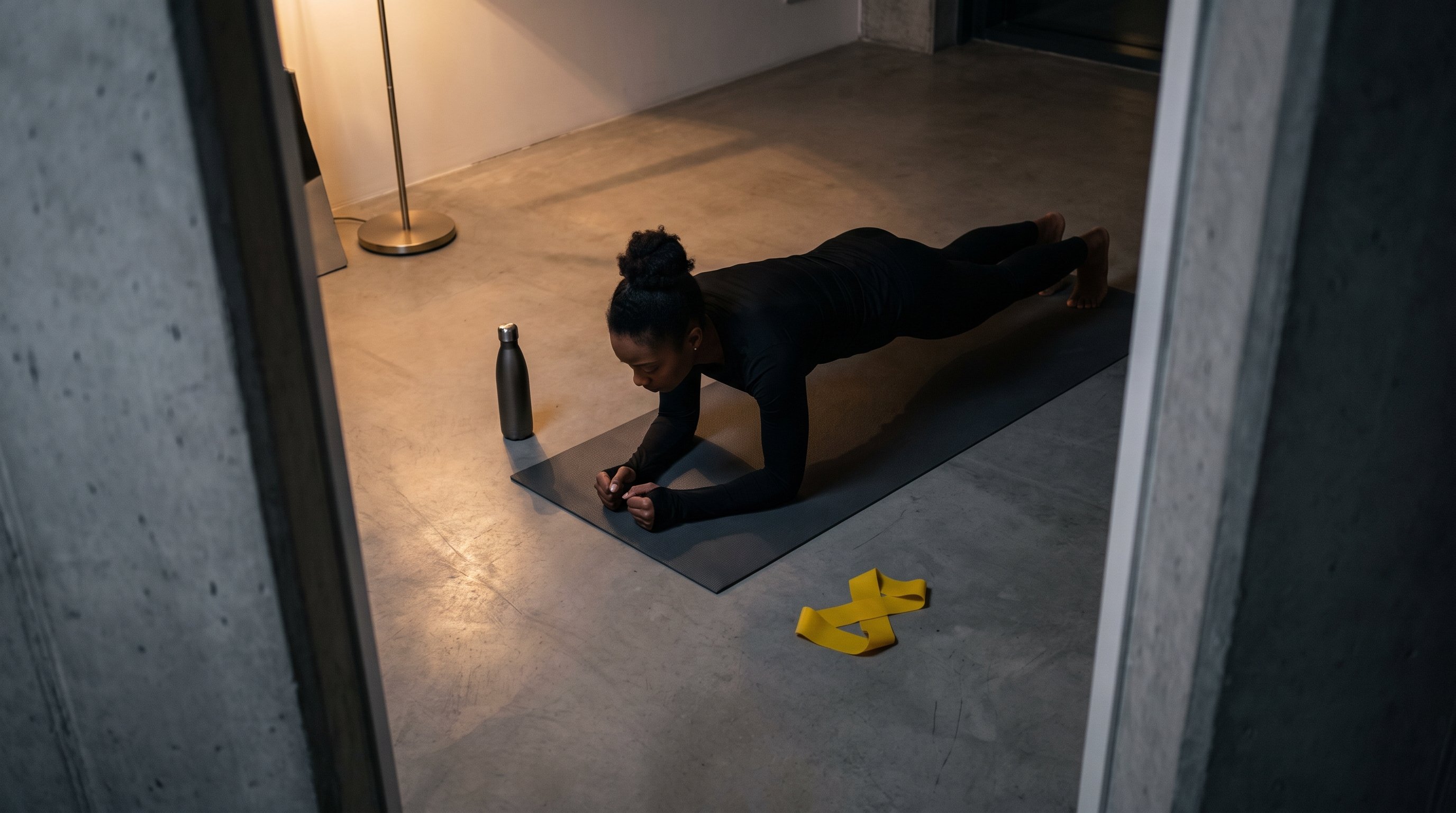
A workable week doesn't need to look like a boot camp. It needs rhythm: a mix of push, pull, leg and core work spread across days you can actually show up for.
A Sample Training Week
- Monday - Push-ups, squats, plank holds, a short walk
- Tuesday - Rest or light stretching
- Wednesday - Lunges, incline push-ups, glute bridges, core work
- Thursday - Rest or a short walk
- Friday - Full-body circuit mixing all four movement patterns
- Weekend - One optional light session, otherwise rest
Notice the rest days aren't an afterthought. They're part of the plan, because muscles adapt during recovery, not during the session itself.
How Many Calisthenics Sessions Actually Move the Needle
Finding a Sustainable Frequency
Three sessions a week is enough to see change build over time, provided each one covers the main movement patterns. More isn't automatically better if it means burning out by week two.
| Frequency | Likely Outcome |
|---|---|
| 1 session/week | Maintains basic movement only |
| 2 sessions/week | Slow, modest strength gains |
| 3 sessions/week | Steady, noticeable progress |
| 4-5 sessions/week | Faster progress if recovery is managed |
| 6-7 sessions/week | High injury risk without rest |
Three to four sessions a week, done consistently for months, will outperform a punishing daily routine that gets abandoned after ten days.
Why Bodyweight Consistency Beats a Gym Grind
Compare two routines: a calisthenics session done in a bedroom in twenty minutes, versus a gym session that needs a drive, a membership, and equipment that's sometimes taken by someone else.
The gym session might burn slightly more in a single sitting. But if it only happens once a week because of the hassle, while the bodyweight session happens four times, the bodyweight routine wins on total volume.
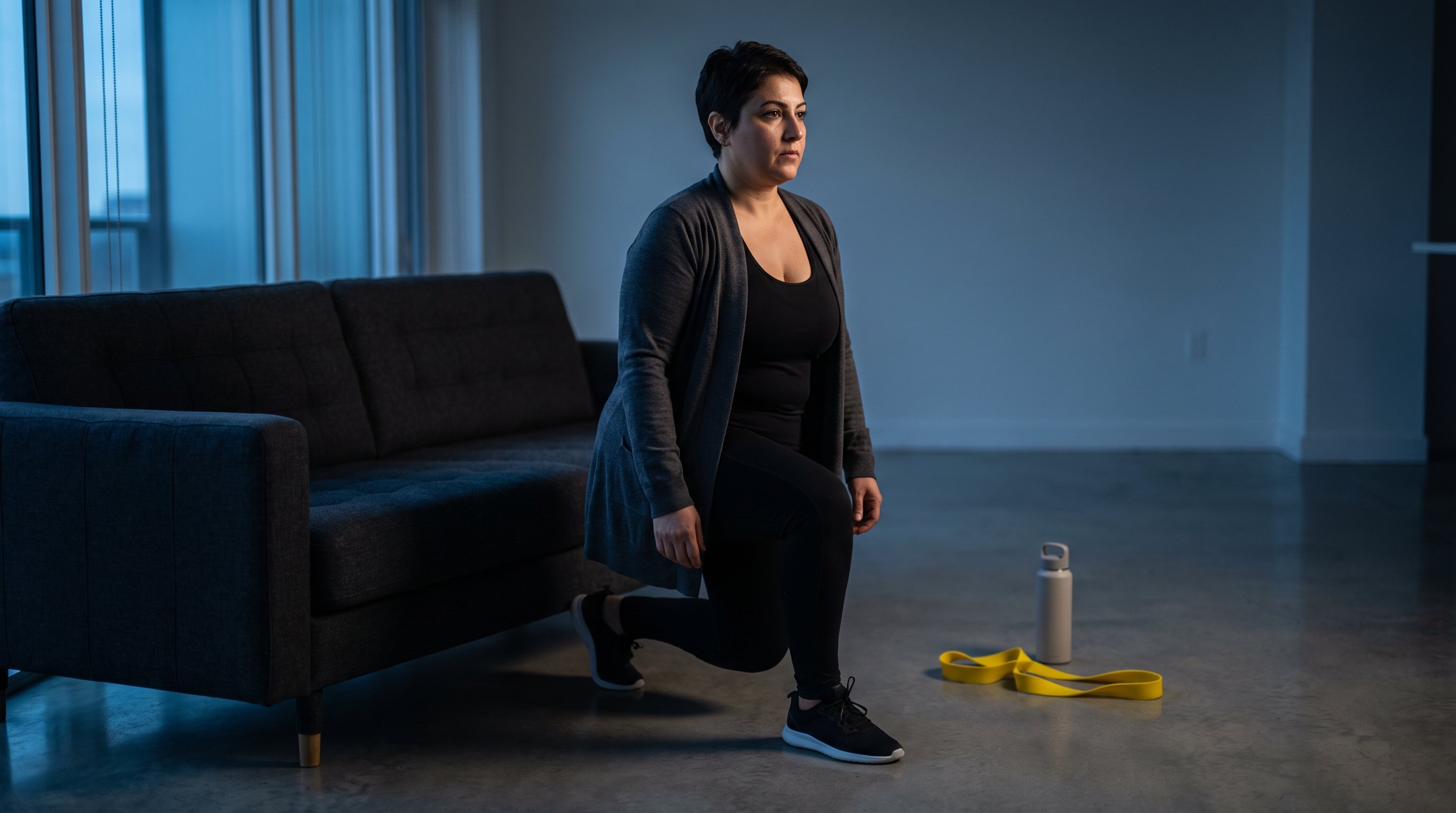
Adherence is the whole game. A session you'll actually repeat beats a harder one you'll quietly stop doing.
Fitting Calisthenics Training Into an Already Full Day
Most people don't skip training because the exercises are too hard. They skip it because fitting a session in feels like one more decision on a day already full of them.
That's where having a plan laid out in advance helps - no deciding what to do, just opening a routine and starting it. Herletics builds that structure in, with guided calisthenics sessions sized to your fitness level so the only decision left is whether to press start.
A tracker for steps, water and weight sitting in one place also removes the guesswork of whether anything is actually changing week to week.
Who Military Calisthenics Suits and Who Should Adjust It
If You're Starting From Zero
Beginners should drop the volume before dropping the movements. Fewer reps of a push-up done on an incline still builds the same pattern as a full push-up, just with less load.
If Your Week Is Already Packed
Shorter, more frequent sessions beat one long session you keep postponing. Ten to fifteen minutes done three times a week adds up faster than a planned hour that never happens.
If You're Older or Returning After a Break
Lower the range of motion and the pace before lowering the frequency. Controlled, slower reps still load the muscle without the strain of rushing through sets.
If You've Plateaued
Add reps, slow the tempo, or reduce rest between sets before assuming you need harder movements. Small adjustments to an existing routine usually unstick progress faster than starting over.
What Changes Week by Week and Where People Quit
Early sessions mostly build familiarity with the movements - the body learning the pattern before it builds visible strength. That stage can feel slow, and it's the point where a lot of people decide nothing is happening and stop.
Strength and endurance tend to build gradually over weeks of repeated sessions, not in a single dramatic jump. The honest expectation is steady, unglamorous progress rather than a fixed date when results appear.
The weeks where it feels like nothing is changing are usually the weeks right before it starts to feel easier.
Making Military Calisthenics Work With Herletics
A workout plan only works if it's followed, and following it is easier when the guesswork is removed.
Herletics lays out a progressive calisthenics plan tailored to your fitness level, pairs it with a meal plan built around food you already like, and keeps challenges running to help you stay consistent instead of starting over every few weeks. Movement alone moves slowly without a nutrition change behind it, which is why the meal plan and the workouts sit side by side rather than as separate afterthoughts.
Get Your Training Plan
Train Like a Warrior
Sticking With Bodyweight Training Past the First Try
Military calisthenics works because it's simple, repeatable, and doesn't need a gym to deliver on its mechanism. The part that actually determines results isn't the difficulty of any single session - it's whether the sessions keep happening month after month.
Pick three sessions a week, keep them short enough to repeat, and let a tool like Herletics handle the planning so the only job left is showing up.
FAQ
Yes - bodyweight movements like push-ups and squats load your muscles enough to trigger strength adaptation, the same mechanism behind any resistance training. The label doesn't change the physics, just the branding.
It only looks intense because of how it's marketed - the actual movements scale down easily with fewer reps or easier variations like incline push-ups. Starting at a lower volume and building up avoids the intensity trap entirely.
A shorter session done consistently beats a long one that keeps getting postponed. Herletics structures sessions around your fitness level and schedule so a ten-minute slot still counts toward progress.
Early gains often come from the body learning the movement pattern, and that phase can feel like a plateau before visible strength catches up. Adjusting reps, tempo, or rest between sets usually gets things moving again without needing a harder routine.
Share this post