Home Workout for Women: How to Build Real Strength at Home
By:Author:Herletics Editorial
Updated on:October 28, 2026
- Does Training at Home Build Real Strength?
- How Bodyweight Resistance Actually Builds Muscle
- How Often Home Workouts Actually Need to Happen
- Why Skipping the Gym Commute Wins Long Term
- Making Home Workouts Fit an Already Full Week
- The Spot Reduction Myth Behind Home Workout Plans
- What Actually Changes Your Home Workout Results
- Common Mistakes With Home Workouts for Women
- Building a Home Workout for Women With Herletics
- Keeping a Home Workout Routine Going Long Term
A home workout for women works when it uses resistance your body has to fight against - your own bodyweight, gravity, and time under tension. No machines required, no gym membership, no commute.
Muscle responds to being challenged past what it's used to, whether that challenge comes from a barbell or a slow push-up done on the floor of a bedroom. The body doesn't know the difference between a gym and a living room - it only knows effort.
This guide covers whether home training actually builds strength, how often to train, what derails most people, and a realistic way to keep it going past the first few weeks.
Does Training at Home Build Real Strength?
Yes, within limits worth naming honestly. Strength gain depends on progressive overload - doing a little more than last time - and bodyweight movements can be made harder by changing angle, tempo, or range of motion, not just by adding weight.
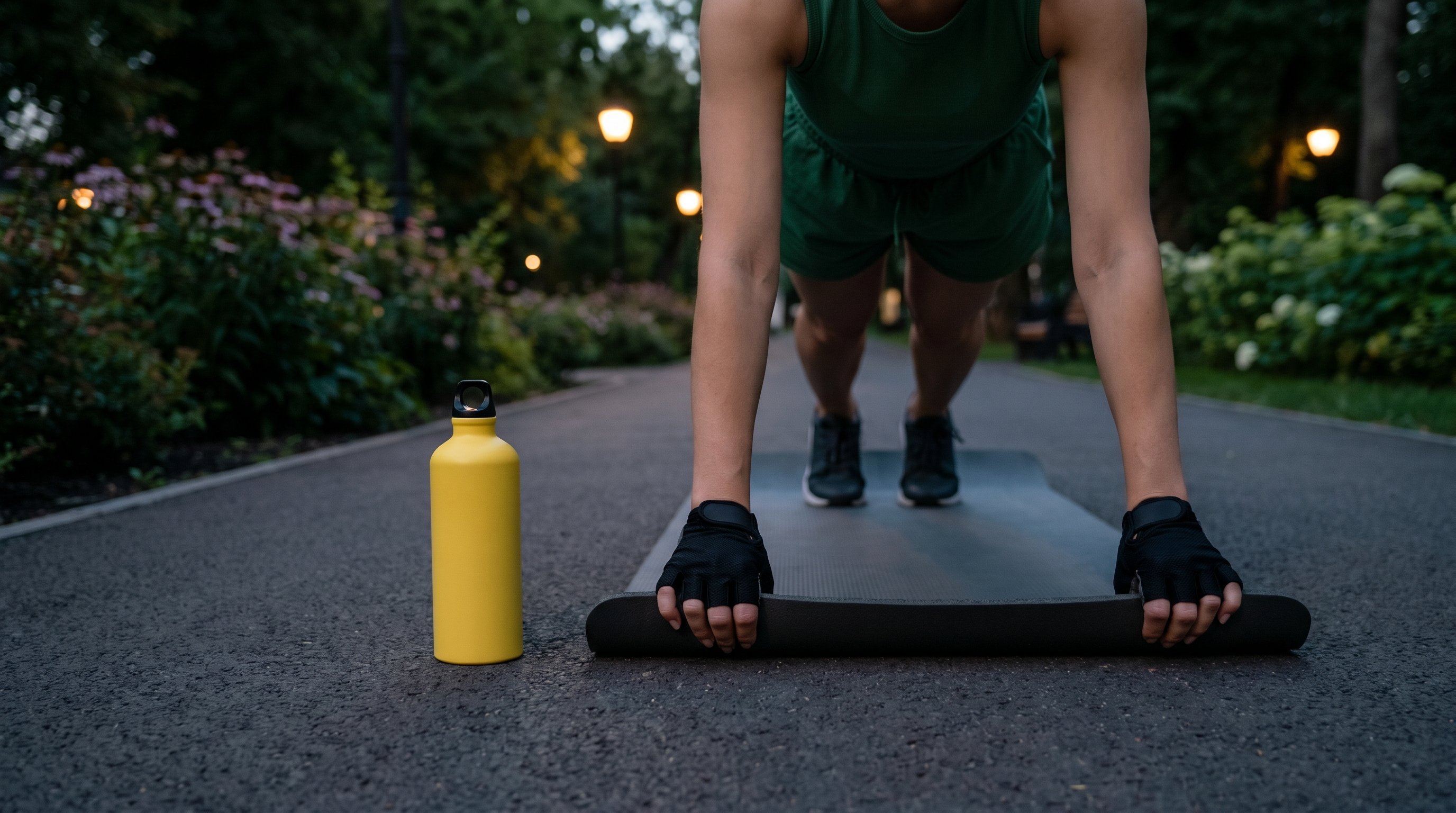
A standard push-up becomes a decline push-up with feet elevated, then a slower push-up with a pause at the bottom, then single-arm progressions. Each version demands more from the same muscles without a single dumbbell changing hands.
The arithmetic is simple: three sessions a week, each lasting 30 to 45 minutes, adds up to roughly 90 to 135 minutes of training weekly. That's a consistent stimulus, and consistency is what muscle responds to over time - not any single hard session.
How Bodyweight Resistance Actually Builds Muscle
Two mechanisms do the work here, and both are available without equipment.
Mechanical Tension From Your Own Bodyweight
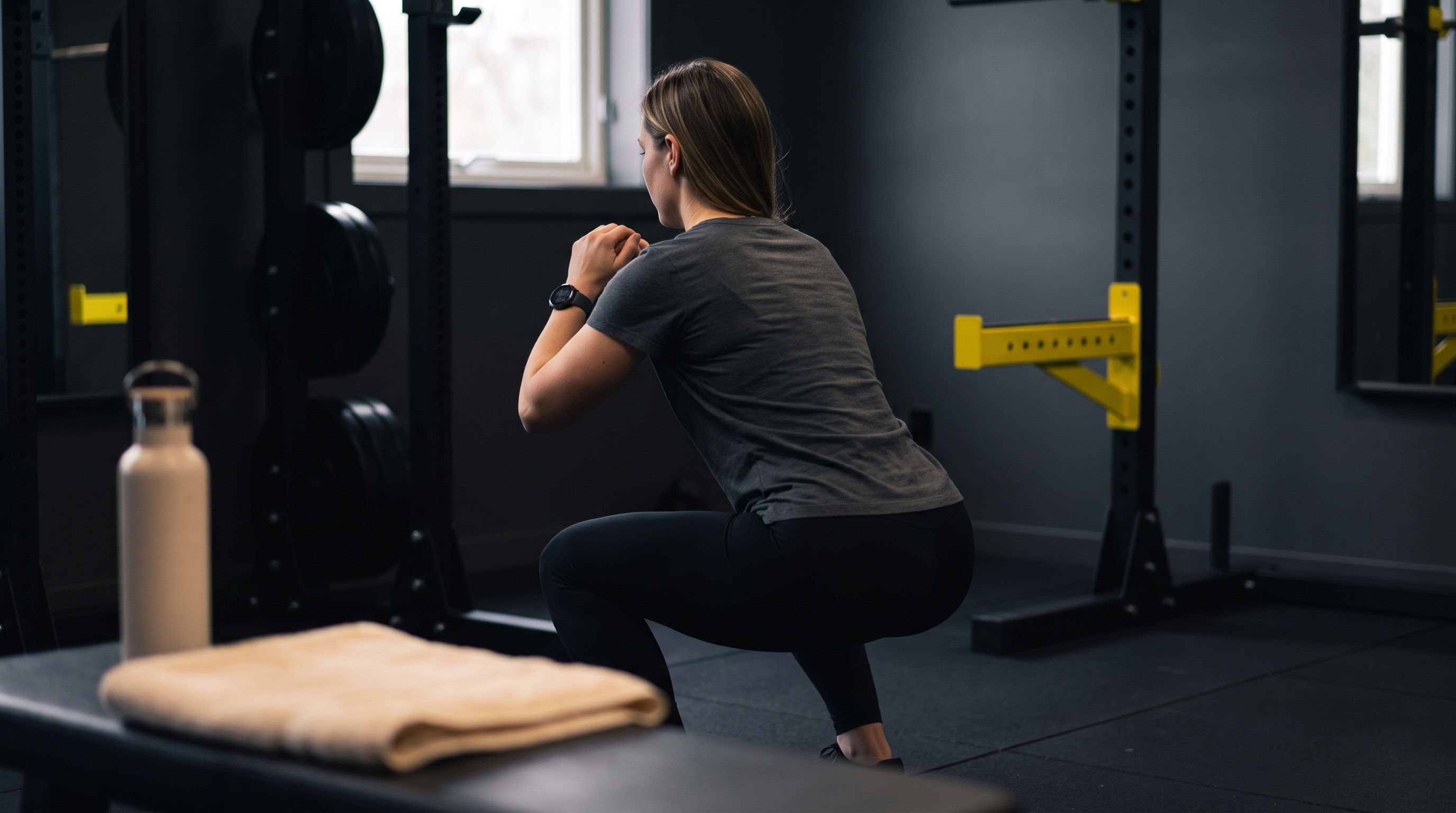
Holding a plank, lowering into a squat, or pressing through a push-up all create tension in the working muscle. That tension is the actual trigger for adaptation - the muscle fibres are forced to produce force against resistance, and over repeated sessions they get better at it.
Progressive Difficulty Without Added Weight
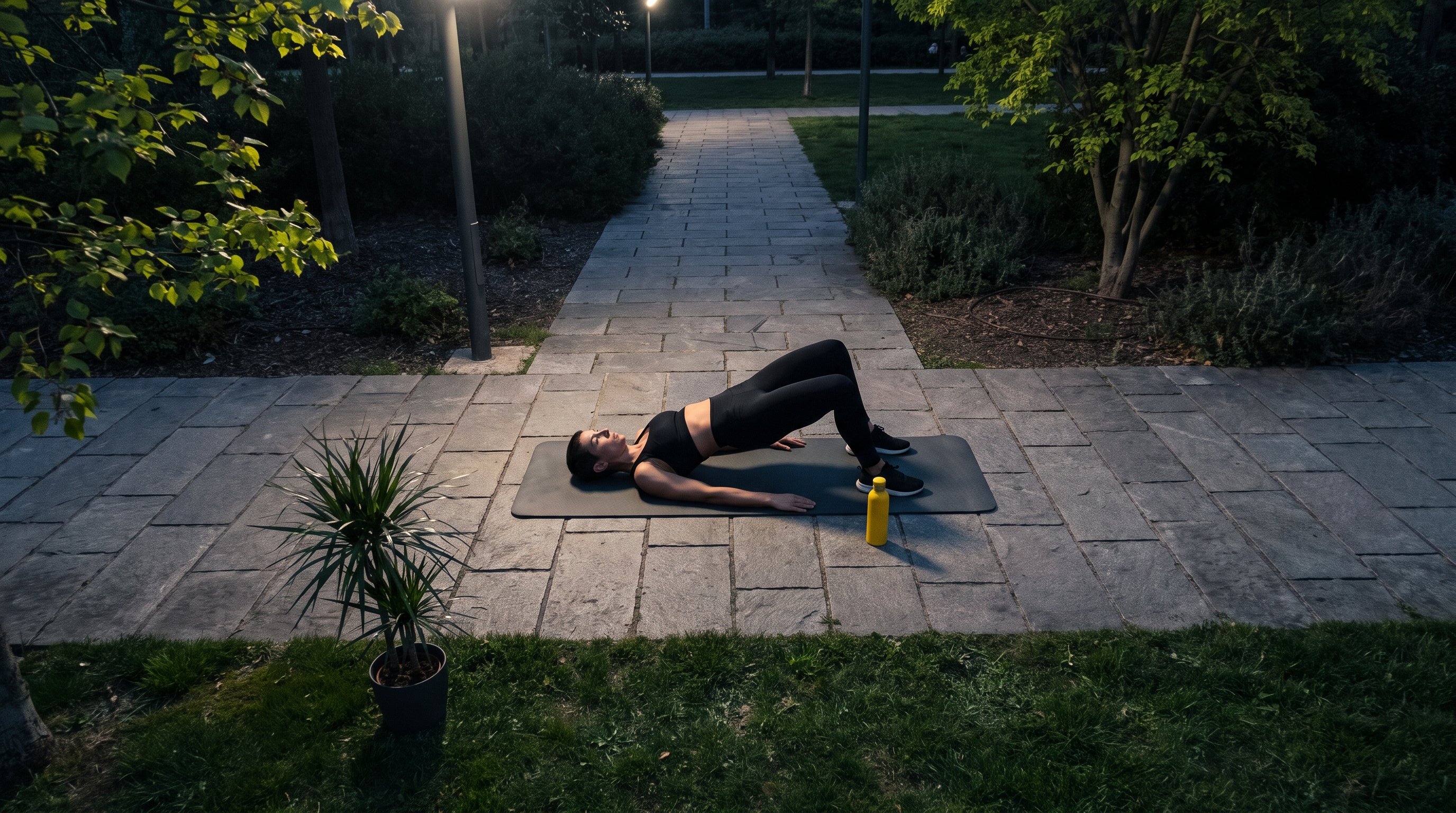
Once a movement feels manageable, changing the angle, slowing the tempo, or reducing points of contact with the floor makes it harder again. A hand-release push-up or a single-leg glute bridge asks more of the same muscles than the basic version did a few weeks earlier.
Both mechanisms rely on one thing: showing up often enough for the body to notice a pattern worth adapting to.
How Often Home Workouts Actually Need to Happen
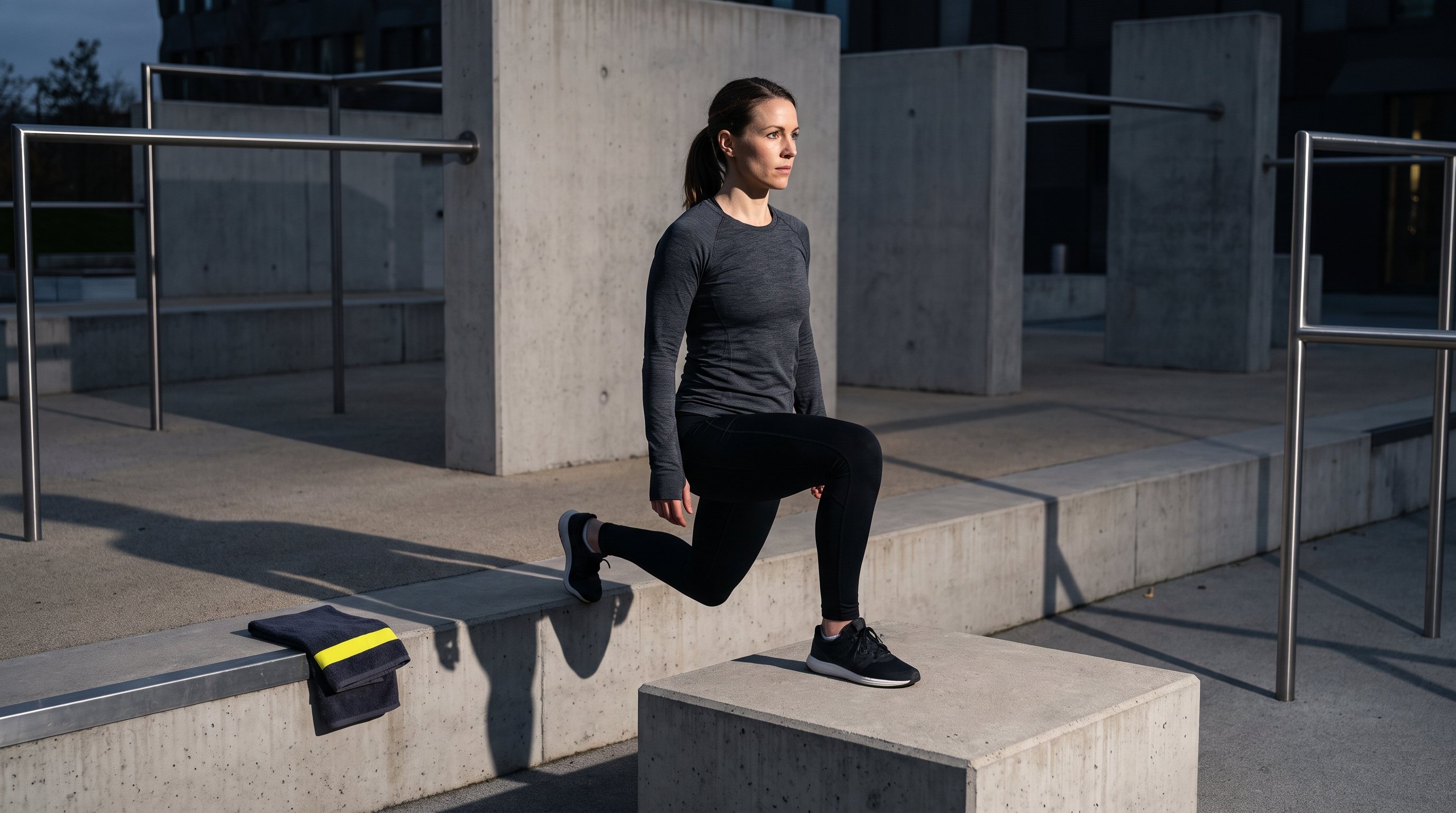
Three to four sessions a week tends to be enough to see steady change, as long as each one includes a mix of pushing, pulling, and leg work.
A Simple Weekly Split That Covers the Basics
Spreading push, pull, and leg movements across the week means no single muscle group gets neglected, and recovery days fall naturally between sessions.
| Day | Focus |
|---|---|
| Monday | Push and core |
| Wednesday | Legs and glutes |
| Friday | Pull and back |
| Saturday | Full body, lighter |
Why Skipping the Gym Commute Wins Long Term
The gym route demands packing a bag, travelling, waiting for equipment, and travelling back - easily an hour added to every session before the workout even starts.
A home workout removes every one of those steps. The session can start the moment there's fifteen free minutes, which matters more than people expect, because the sessions that actually get done always beat the ones that only get planned.
Fewer obstacles between you and the first rep means more sessions completed per month, and sessions completed per month is what actually drives results - not how intense any single one felt.
Making Home Workouts Fit an Already Full Week
Real weeks don't leave neat gaps for exercise. Training at home at least means the gap doesn't need to be an hour - fifteen focused minutes before the day starts can cover a full push or leg session.
Keeping the plan simple matters more than keeping it long. A short, repeatable structure with a clear movement for each muscle group beats a complicated routine that gets skipped because there's no time to figure it out.
This is where a guided plan built around progressive calisthenics and a customized meal plan can take the guesswork out of what to do each day, which is exactly what Herletics is built for.
The Spot Reduction Myth Behind Home Workout Plans
No home workout, however well designed, can target fat loss in one area. The body decides where it draws energy from, and that decision isn't influenced by which muscle you just trained.
Doing hundreds of crunches doesn't reduce fat around the midsection any more than doing squats reduces fat specifically on the thighs - the body doesn't work that way.
What actually happens with consistent training is broader: muscle gets built underneath, posture and strength improve, and over time body composition shifts as a whole - not in the single spot you were hoping to change.
What Actually Changes Your Home Workout Results
Three things matter more than anything else once a routine is in place.
The Factors That Move the Needle
- How many sessions actually happen - a missed plan does nothing, a completed one at moderate effort beats a perfect one that never starts.
- Whether difficulty increases over time - the same push-up done for months stops asking anything new of the muscle.
- What's eaten around training - movement alone moves slowly without food choices that support it, since exercise and nutrition pull in the same direction only when both are in place.
Common Mistakes With Home Workouts for Women
Training Hard but Never Harder
Doing the same ten push-ups every session feels productive but stops being a challenge within a few weeks. Add a pause, a slower lower, or an elevated version once the current one feels easy.
Skipping Leg and Pull Movements
Push-ups and planks are easy to default to, but neglecting glute bridges, squats, and rows leaves half the body undertrained. A balanced week needs all three movement types, not just the comfortable ones.
Expecting Change Without Food Changes
Training alone, without any attention to what's eaten, moves results slowly. Pairing sessions with simple nutrition habits - enough protein, consistent meals - makes the training actually count for something.
Treating Rest Days As Optional
Skipping recovery in favour of training every single day usually backfires through fatigue or lost motivation. Muscle adapts during rest, not just during the session itself.
Building a Home Workout for Women With Herletics
Figuring out what to do each day, when to make it harder, and what to eat around it is where most home routines quietly fall apart.
Herletics handles that structure directly: a progressive military-inspired calisthenics plan tailored to your fitness level, a meal plan built around food you already like, and simple trackers for steps, water, and weight so progress stays visible instead of guessed at.
Wellness challenges built into the app are there to keep sessions happening on the weeks motivation runs low, which is exactly when most home routines stall.
Get Your Training Plan
Train Like a Warrior
Keeping a Home Workout Routine Going Long Term
The next step is small on purpose: pick three days this week, fifteen to thirty minutes each, and commit to just those - nothing more ambitious than that.
A home workout for women doesn't need a spare room full of equipment to work - it needs a repeatable plan and the sessions actually happening, and Herletics is built to make both of those easier to keep up.
FAQ
Yes - bodyweight movements create real mechanical tension, and changing angle or tempo keeps making them harder over time. Strength comes from progressive challenge, not from the source of resistance.
Machines aren't required for muscles to adapt - they just offer one way to add resistance among several. A home routine that actually gets done consistently tends to outperform a gym plan that gets skipped because of travel time or crowded equipment.
Most bodyweight movements - push-ups, squats, lunges, planks - need roughly the space of a yoga mat. Lack of space is rarely the real barrier; lack of a simple plan usually is, which is where a structured programme helps.
Usually because the difficulty never increased - the same ten squats done for a month stop giving the muscle anything new to adapt to. Progressing the movement, not just repeating it, is what keeps results moving.
Share this post