Healthy Eating for Women: A Flexible Approach for Real Life
By:Author:Herletics Editorial
Updated on:October 16, 2026
- The Myth That One Perfect Diet Fits Every Woman
- How Food Choices Actually Shape Your Results
- What Changes the Result From Your Meals
- A Sample Day of Flexible, Balanced Eating
- Fitting Healthy Eating Into an Already Busy Week
- When Changes From Eating Well Tend to Show Up
- Common Mistakes Women Make With Healthy Eating
- Making Healthy Eating for Women Simpler With Herletics
- Carrying a Flexible Eating Pattern Forward
Healthy eating for women isn't one fixed menu - it's a flexible pattern of food choices that supports energy, strength and mood over time. There's no single correct plate, no forbidden food group, and no magic ratio that works for every body.
The mechanism is simple: your body runs on the energy and nutrients you give it, so what you eat most days shapes how you feel, train and recover most days. Occasional meals barely move the needle either way - patterns do.
This article covers the myths worth dropping, how eating patterns actually work, what changes results, a sample day and week, where people get stuck, and common mistakes worth avoiding.
The Myth That One Perfect Diet Fits Every Woman
There's no single diet that works best for every woman, no matter how confidently it's marketed. Bodies differ in activity level, sleep, stress, training goals and food preferences, so a plan built for one person often fails another.
The real answer is less exciting but more useful: find an eating pattern you can repeat most weeks without white-knuckling it. Consistency across months beats any single week of eating perfectly.
That's not a dodge - it's how adherence actually works for food, just like it does for training.
How Food Choices Actually Shape Your Results
Two mechanisms do most of the work: how much you eat overall, and how often you eat food that keeps you full and fuelled.
Energy Balance Still Runs the Show
Your body needs a certain amount of energy to function, train and recover, and eating consistently more or less than that over weeks is what drives weight change - not any single ingredient.
Protein, Fibre and Water Decide How You Feel
Meals built around protein, fibre-rich carbohydrates and enough water tend to keep hunger steadier through the day, which makes it easier to stick with a pattern instead of swinging between extremes.
What Changes the Result From Your Meals
Not every factor matters equally. These three tend to move results the most for women building a healthier eating pattern.
The Three Biggest Levers
- How often you repeat the pattern - a handful of solid meals a day, most days of the week, outweighs one perfect day followed by a chaotic one.
- Whether meals include enough protein - protein helps meals feel satisfying, which makes the whole pattern easier to sustain without constant hunger.
- How much planning happens in advance - meals decided ahead of time are far more likely to happen than meals figured out while already hungry.
A Sample Day of Flexible, Balanced Eating
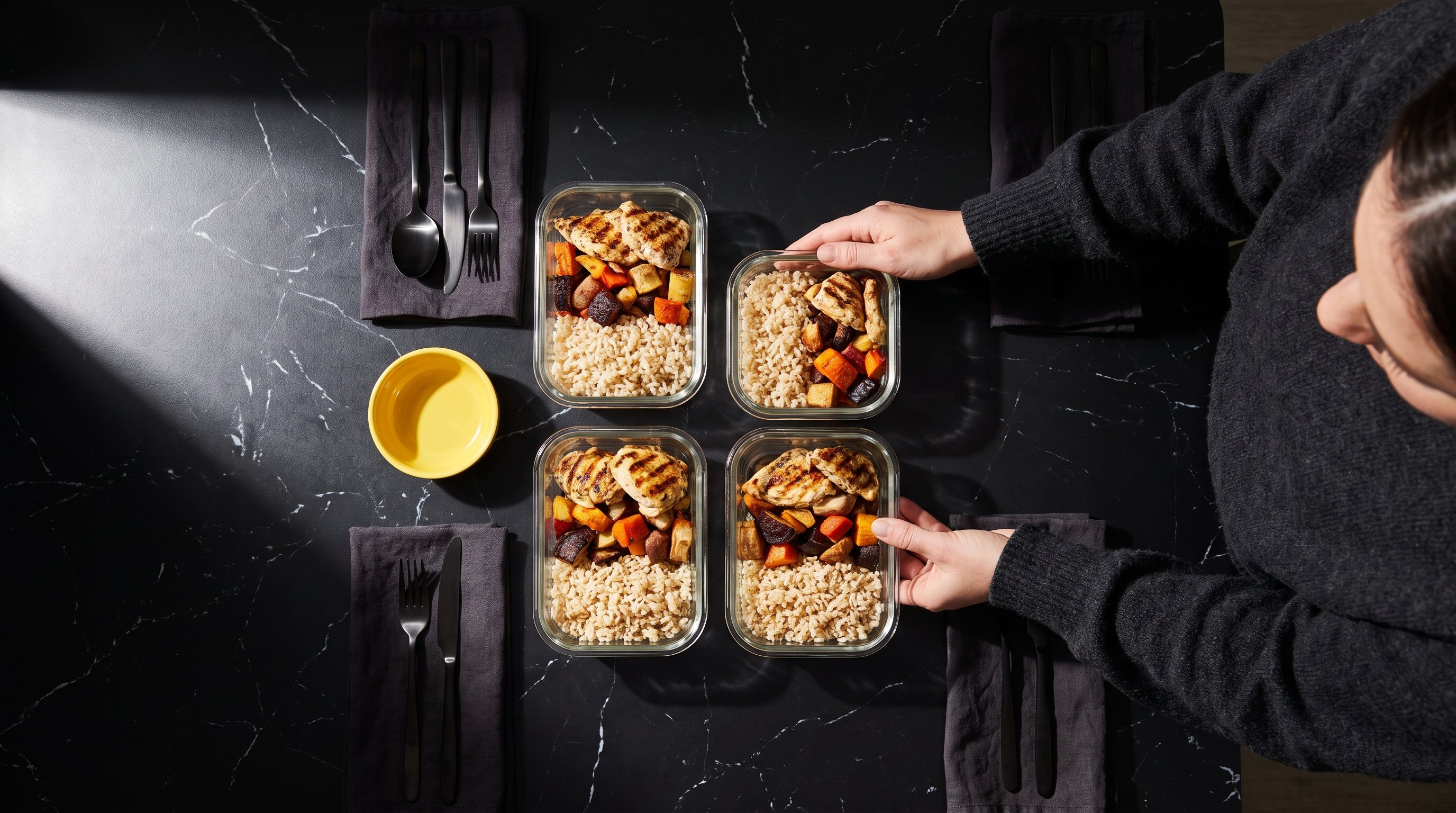
This isn't a rulebook - it's one example of what a balanced day can look like in practice.
A Sample Day, Not a Script
- Breakfast - something with protein, like eggs or yoghurt, plus fruit or wholegrain toast.
- Lunch - a protein source with vegetables and a carbohydrate such as rice, pasta or bread.
- Snack - fruit, nuts or a small protein snack if there's a gap of several hours before the next meal.
- Dinner - a protein, vegetables, and a starch, kept roughly similar in size to lunch.
- Water - spread through the day rather than saved for one big glass in the evening.
Fitting Healthy Eating Into an Already Busy Week
Most weeks don't look like a neat plan on paper - there are early mornings, late meetings and days where cooking feels like the last thing on the list.
The fix isn't more willpower, it's fewer decisions to make in the moment. Having a small rotation of go-to meals, a rough shopping list and a couple of backup options for busy nights takes the daily guesswork out of eating well.
This is where a customized meal plan built around food you already like can take some of the thinking off your plate, which is exactly what flexible meal planning focuses on alongside training programmes.
When Changes From Eating Well Tend to Show Up
It's worth being upfront: there's no fixed week when healthy eating suddenly clicks. For some women, steadier energy shows up fairly early; for others, the real shift is simply eating fewer chaotic days per week.
The pattern most people notice first isn't a number on a scale - it's fewer energy crashes and less mental effort spent deciding what to eat.
The point where people usually quit isn't because the approach failed - it's because they expected a straight line and got a normal, slightly messy week instead. Flexible plans survive those weeks; rigid ones don't.
Common Mistakes Women Make With Healthy Eating
Cutting Out Entire Food Groups
Removing carbohydrates or fats entirely often backfires because it makes meals less satisfying and harder to sustain - aim for balance across meals instead.
Skipping Meals to "Save" Calories
Skipping meals tends to lead to stronger hunger later and less controlled eating in the evening - spacing meals out works better than skipping them.
Treating One Bad Day As a Failed Week
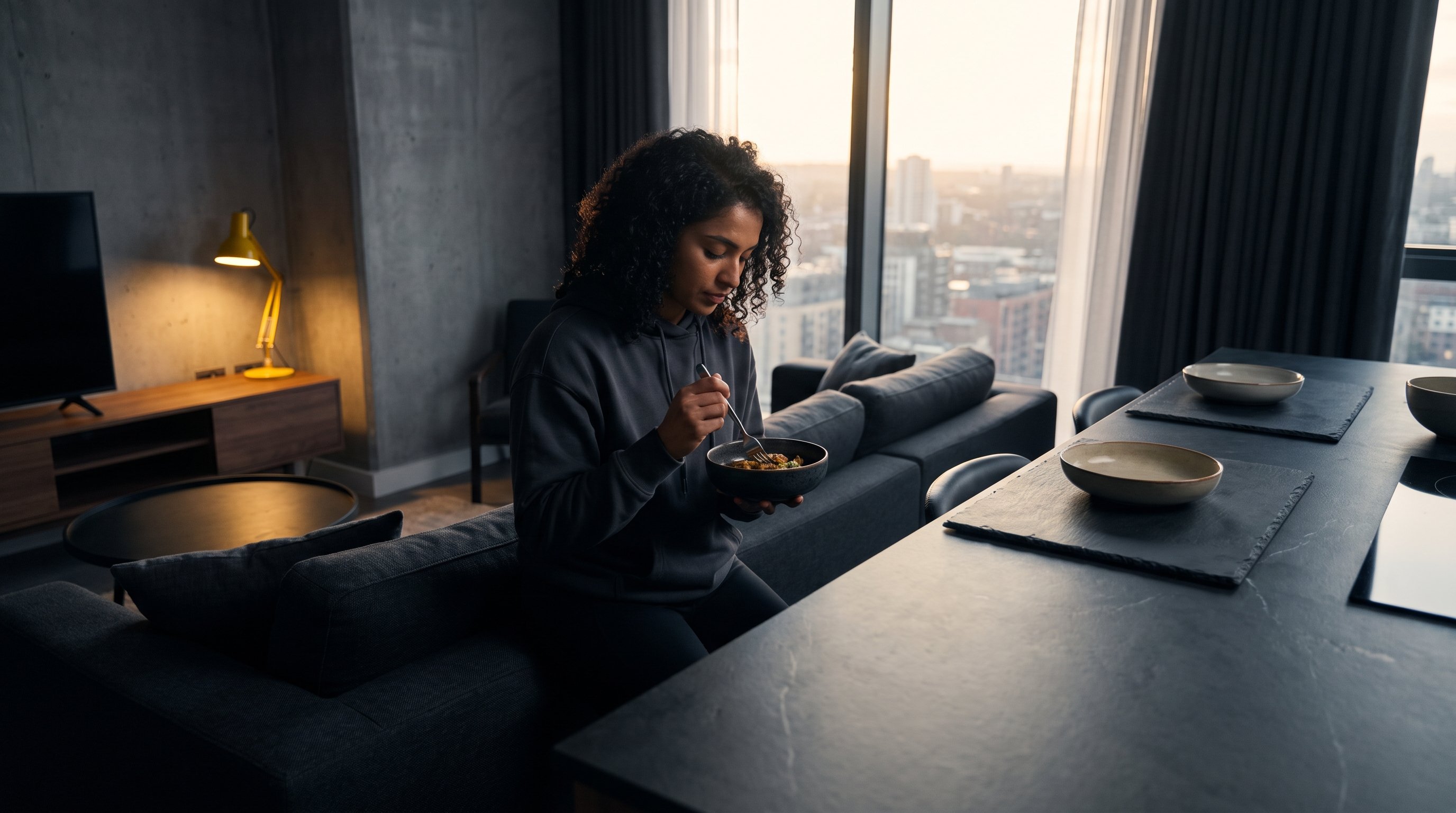
One off-pattern day doesn't undo a week of consistent eating - the next meal is the only one that actually matters.
Not Planning Ahead at All
Deciding meals while already hungry usually leads to whatever is fastest, not what actually fits the goal - a short list of go-to meals solves this.
Ignoring Water and Sleep
Hunger and tiredness can look similar, so low water intake or poor sleep often gets mistaken for needing more food.
Making Healthy Eating for Women Simpler With Herletics
Finding meals that fit your week, your taste and your goals takes trial and error when you're doing it from scratch every single time.
Herletics brings together a meal plan with recipes built around food you already like, alongside trackers for water, weight and daily habits, so the planning side of eating well takes less mental effort week to week.
Get Your Training Plan
Train Like a Warrior
Carrying a Flexible Eating Pattern Forward
Healthy eating for women isn't about finding the one correct way to eat - it's about building a pattern flexible enough to survive a normal week with normal interruptions.
Pick one small change to start with this week, whether that's planning three dinners ahead or adding protein to breakfast, and let Herletics help keep the rest of the plan organised around it.
FAQ
No, cutting out entire food groups usually makes eating harder to sustain, not easier. Balance across meals tends to work better than strict elimination.
No, the whole point of a flexible approach is that it avoids rigid rules that break down under a busy week. It's built around food you actually enjoy, repeated consistently.
A short rotation of simple meals and a rough list in advance removes most of the daily decision-making. Herletics includes a meal plan designed to cut down that planning time.
Nothing happens - one meal doesn't undo a pattern built over weeks. The next meal is simply the next chance to keep the pattern going.
Share this post