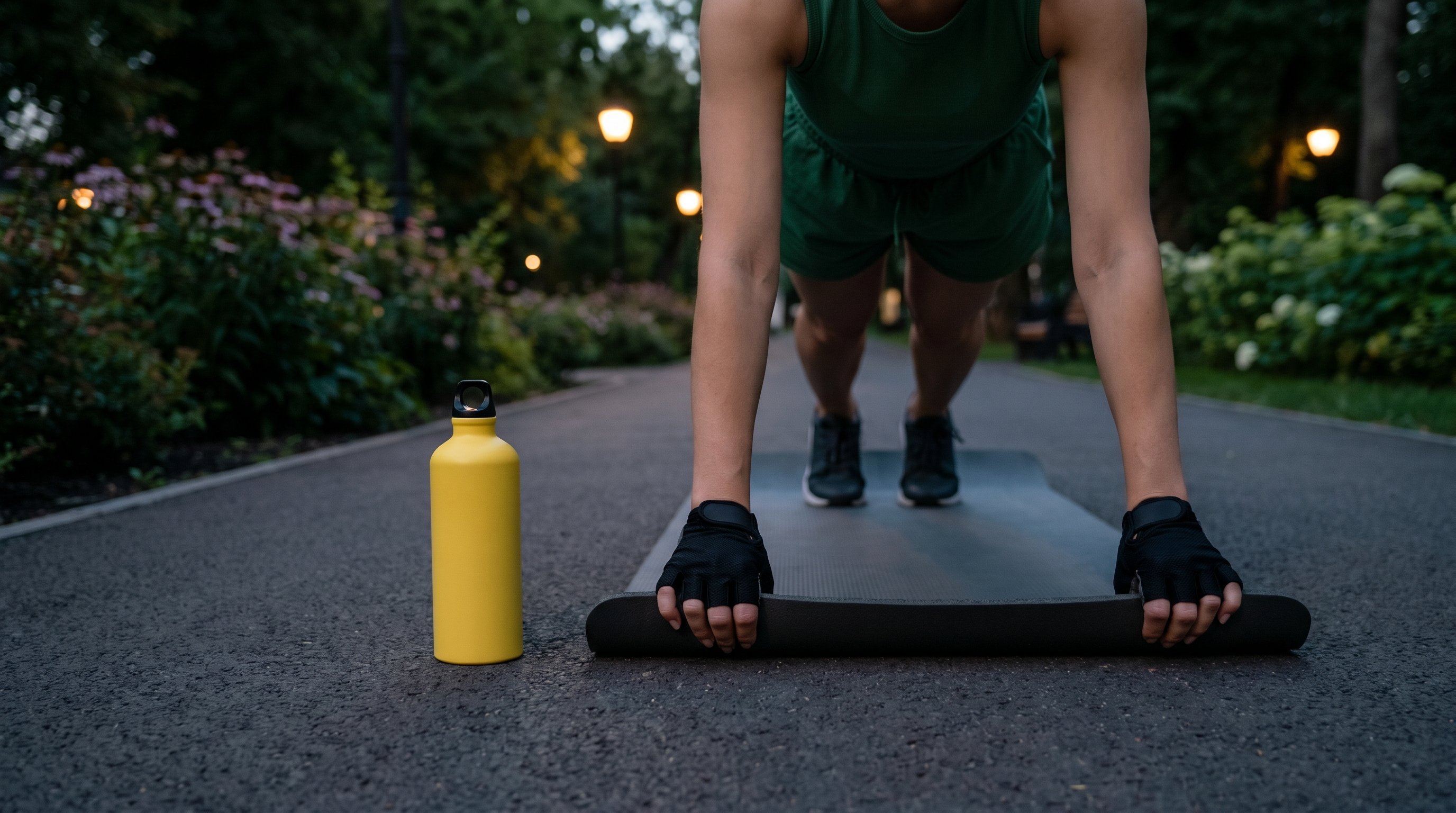
Body Sculpting: How Practical Strength Routines Fit Real Life
By:Author:Herletics Editorial
Updated on:October 28, 2026
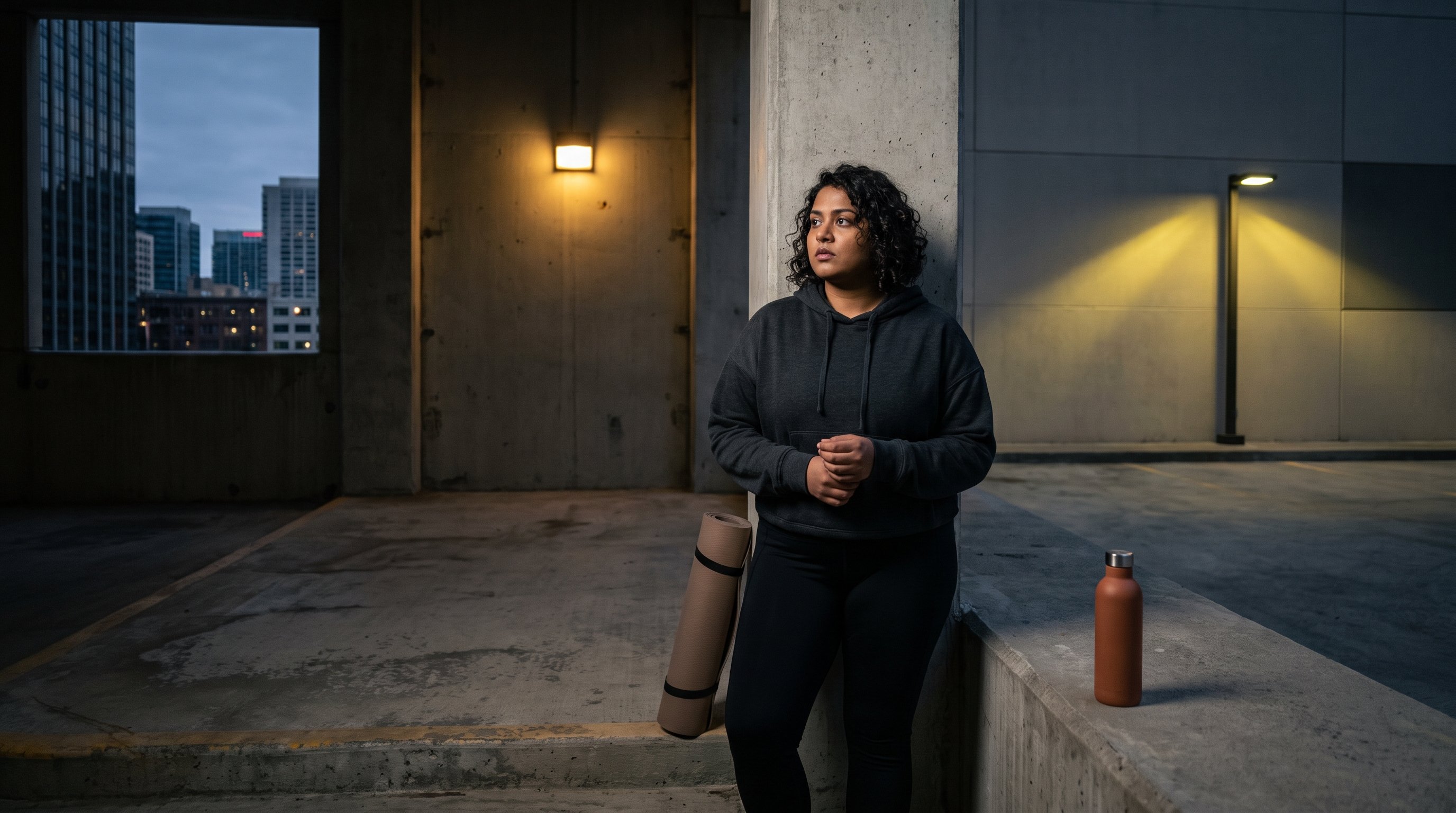
- Does Body Sculpting Actually Change Your Shape?
- Bodyweight Training or Gym Machines: The Real Decision
- Why Fewer Barriers Beats More Intensity
- Who Body Sculpting Training Actually Suits
- Making Strength Training Fit an Ordinary Week
- The Spot Reduction Myth, Explained Honestly
- Building Body Sculpting Habits With Herletics
- Keeping Strength Training Going Past the First Month
Body sculpting means building visible muscle tone and losing some fat through consistent strength training and food choices - not shaping fat in one spot. The direct answer: there's no exercise that reshapes a single area, but regular training plus a sensible eating pattern changes how your whole body looks over time.
The mechanism is simple arithmetic. Strength training signals muscle to grow and hold its shape, while a food pattern that keeps you slightly below your maintenance intake lets stored fat get used for energy across the body as a whole.
This guide covers what actually happens physiologically, the honest comparison between bodyweight training and other popular routes, who this approach suits, and how to fit it into a week that's already full.
Does Body Sculpting Actually Change Your Shape?
Yes, but not the way adverts suggest. Muscle has shape and firmness; building it through repeated strength work changes how an area looks, while fat loss - which happens across the whole body, not one spot - reveals that shape more clearly.
Here's the arithmetic nobody skips past. A calisthenics session working legs, core and arms burns energy and signals muscle fibres to adapt; do that three or four times a week over time and the combined effect of more muscle and less stored fat is a visibly different outline.
None of this happens by targeting one muscle group obsessively. Training your whole body consistently, and eating in a way you can repeat, does more than any routine promising to work on one area alone.
Bodyweight Training or Gym Machines: The Real Decision
The actual choice most people face isn't about which is more effective in theory - it's which one you'll still be doing in three months.
Bodyweight calisthenics needs no commute and no waiting for equipment, while gym machines isolate muscles with added resistance but depend on access and scheduling.
| Factor | Bodyweight Calisthenics | Gym Machines |
|---|---|---|
| Setup time | None, start anywhere | Travel plus changing |
| Equipment needed | None required | Machines and weights |
| Progression method | Harder variations, more reps | Add weight plates |
| Cost over time | Free or app fee | Monthly membership |
| Missed-day recovery | Easy to restart anywhere | Depends on opening hours |
Both routes build muscle and support fat loss when done consistently. The difference that actually matters for most people is which one survives a busy week.
Why Fewer Barriers Beats More Intensity
A punishing one-hour gym session sounds impressive, but it only counts if it happens again next week and the week after.
Bodyweight routines you can do in a bedroom or a park remove the barriers that quietly end most training plans - travel time, equipment queues, and the mental friction of 'getting ready to go somewhere.'
Four twenty-minute sessions most weeks will do more for your shape over time than one exhausting gym session you dread and eventually skip.
Sessions completed per month, not effort per session, is what actually drives change here - and the easier the routine is to start, the more of those sessions actually happen.
Who Body Sculpting Training Actually Suits
If You're Starting From Scratch
Begin with basic bodyweight movements - squats, incline push-ups, planks - done at a pace you can repeat, since early progress comes from showing up consistently, not from going hard on day one.

If Your Week Is Already Packed
Short sessions you can slot between meetings or after the school run beat long sessions you have to plan around, because the training that fits your calendar is the training that actually happens.
If You're Returning After a Break
Drop back to easier variations of each movement for a couple of weeks rather than picking up where you left off, since rebuilding the habit matters more early on than rebuilding the intensity.
If You Train Later in Life
Bodyweight strength work at a controlled pace builds and maintains muscle without needing heavy external load, and movements can be scaled down - fewer reps, supported variations - without losing the training effect.
Making Strength Training Fit an Ordinary Week
None of this works if the plan only exists in theory - it has to survive Tuesday evenings when you're tired and Thursdays when something else comes up.
That's really a scheduling and food-tracking problem as much as a training one, since the exercise part is usually the easier half to stick to once it's short and simple.
This is where a guided plan that adapts to your fitness level, paired with a meal plan built around food you already like, takes the guesswork out of both halves - a progressive Military Calisthenics Workout Plan brings those two pieces together with progress tracking so you can see sessions and habits add up over weeks rather than guessing.
The Spot Reduction Myth, Explained Honestly
No exercise reshapes the body in one specific area - not ab workouts, not targeted machines, not any routine promising to change a single body part on its own.
The body draws on stored energy from across the whole body based on its own patterns, not based on which muscle you just trained.
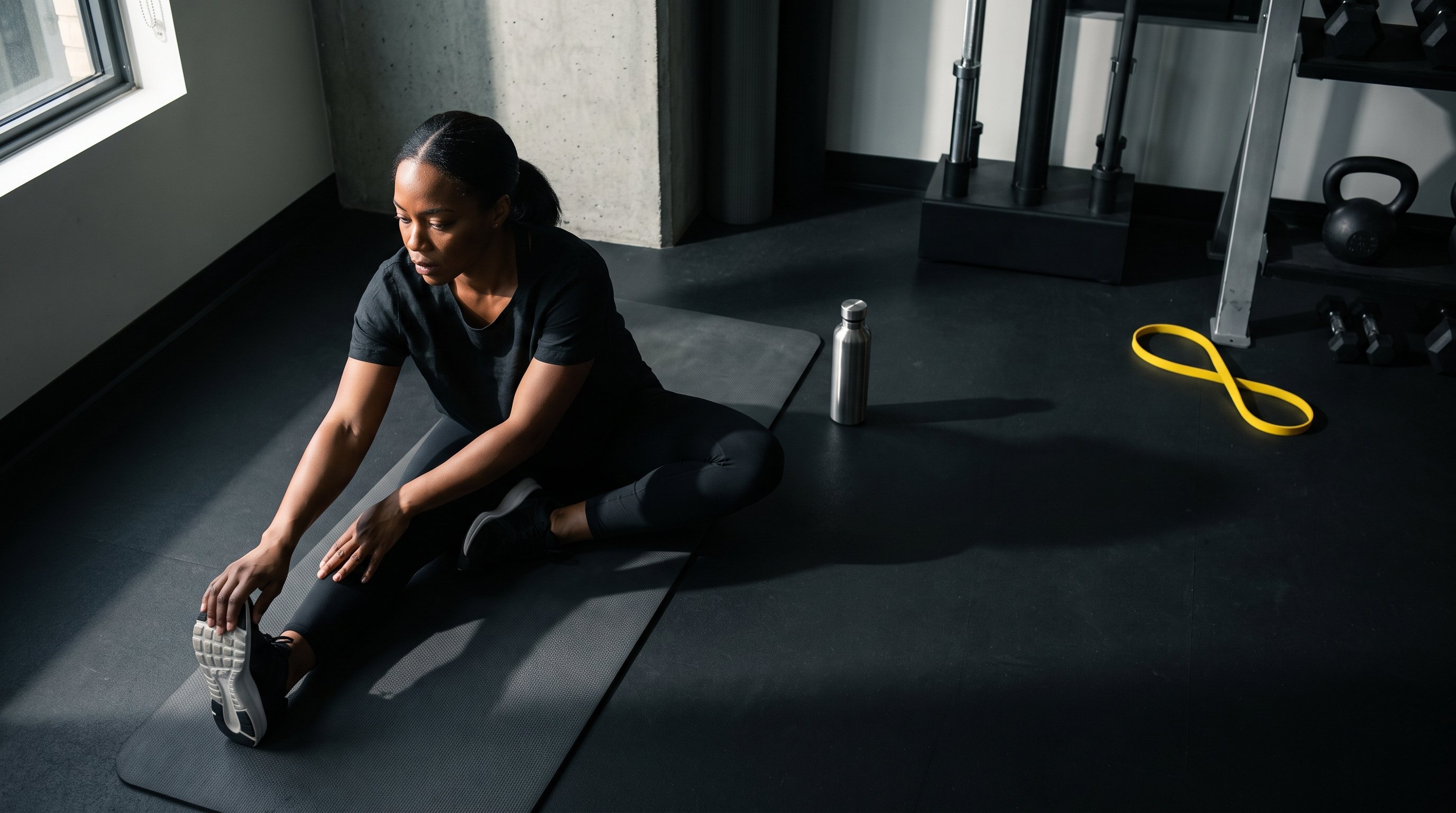
The real answer is less exciting but it's true: consistent full-body strength training plus a food pattern you can stick to changes your overall shape over time, and that change shows up everywhere at once, not in the one spot you were hoping to target.
Building Body Sculpting Habits With Herletics
Once the mechanism is clear, the next question is just how to keep it going without overthinking every session.
Herletics puts a progressive Military Calisthenics Workout Plan, a customized meal plan with recipes, and trackers for steps, water and weight into one place, so the planning work is mostly done before you open the app.
Add the wellness challenges and the nutrition guides written by nutritionists, trainers and psychologists, and the whole approach stays structured without feeling rigid - which is the part that actually determines whether training continues past week three.
Get Your Training Plan
Train Like a Warrior
Keeping Strength Training Going Past the First Month
Pick one thing to do this week: three short bodyweight sessions, scheduled on your calendar like any other appointment, and one small food swap you can actually repeat.
The shape changes come from repetition, not from any single perfect week, and consistent tracking makes that repetition easier to keep track of as the weeks add up.
FAQ
No - the body uses stored energy across the whole body, not from the area you just trained. Consistent full-body training and a sensible eating pattern change your overall shape over time instead.
Bodyweight movements can be made harder through variations, added reps, or slower tempo, so the resistance scales with you as you improve. Difficulty comes from progression, not from needing external weight.
Short sessions done consistently beat long sessions done occasionally, since the number of sessions completed each month matters more than how long any single one lasts. Herletics structures sessions to fit short windows so skipping a day doesn't derail the plan.
Early changes often come from water and habit shifts, and the pace naturally slows as your body adjusts to a new routine. Staying consistent with both training and food choices through that stretch is what keeps progress moving, even if it's harder to notice week to week.
Share this post